The Best Wood Species for Luxury Interiors
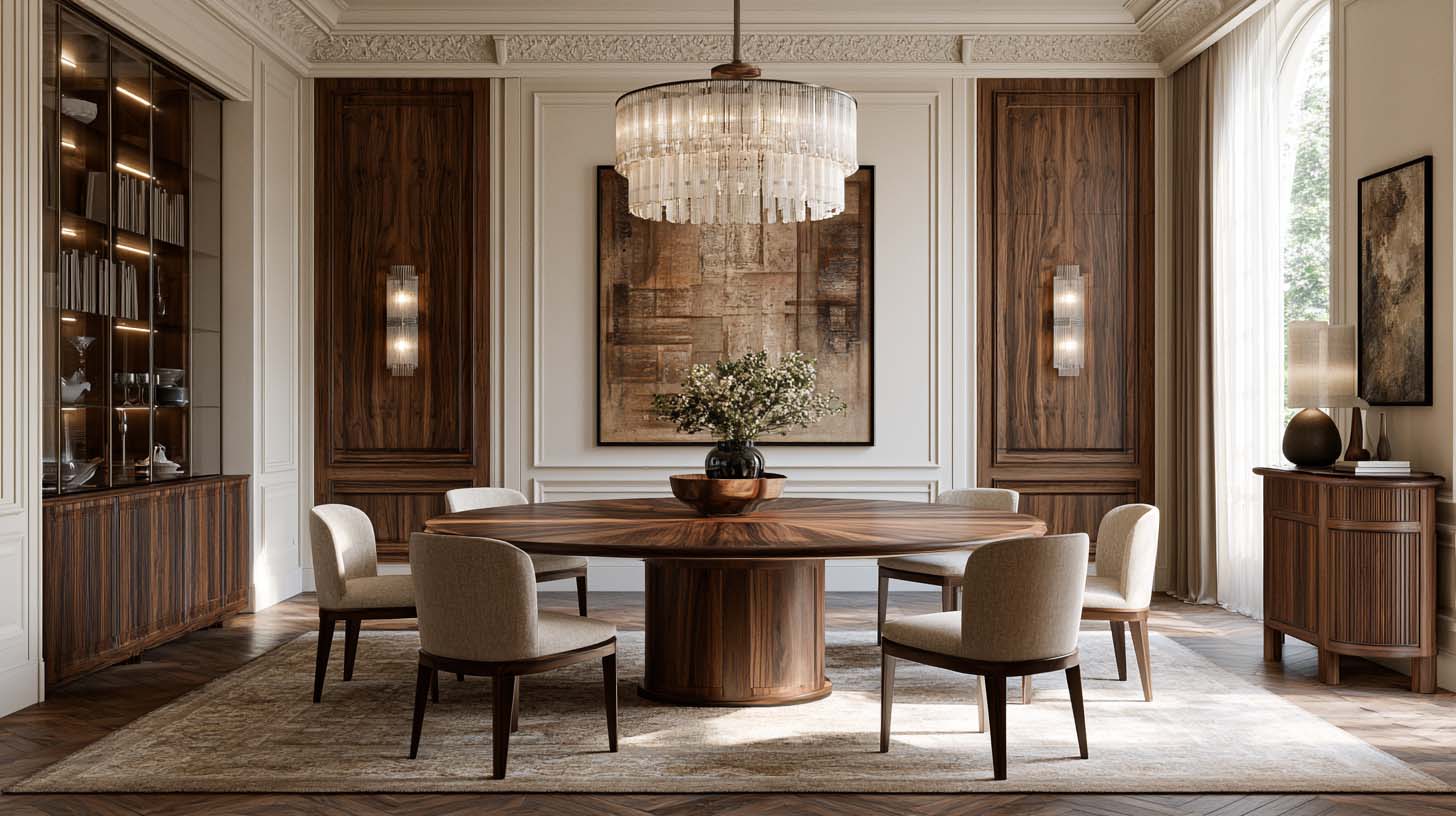
Walk into an exceptional home, and you'll almost always notice the wood before you consciously realize it. Not because it demands attention, but because it quietly establishes the character of the room.
Some woods feel stately and established. Others feel relaxed and contemporary. Some immediately suggest tradition, while others communicate simplicity and restraint.
Most homeowners choose wood furniture based on color. Designers choose it based on personality. The species itself influences how light is reflected, how grain is perceived across a room, and even whether an interior feels formal or approachable.
That's why understanding wood species is one of the most valuable skills you can develop when furnishing a home. This guide won't simply tell you which woods are durable. It will help you recognize what each species communicates, and why that matters far more than most people realize. If you are not sure which wood belongs in your own home, TMH's Full-Service Interior Design can choose the woods and finishes together.
Wood Is the Largest Material in Most Rooms
In many interiors, wood occupies more visual space than any other natural material: floors, dining tables, cabinetry, bookshelves, coffee tables, bed frames, desks. Even if stone, leather, brass, and textiles all contribute to the room, wood often establishes the visual baseline against which everything else is judged.
Change the wood, and you've subtly changed the entire atmosphere.
Designer Eyes Observation #1
People often describe rooms as feeling "warm," "clean," or "rich." Many of those impressions begin with the wood, not the furniture style. Before your eye studies the silhouette of a dining table, it has already absorbed the texture, grain, and color of the material itself.
What Designers Look for Beyond Color
Most homeowners compare wood species by asking, "Which color do I like?" Designers ask different questions:
How active is the grain?
Does it reflect or absorb light?
Does it feel formal or casual?
Does it appear handcrafted or refined?
Does it become more beautiful with age?
Those characteristics shape the emotional experience of a room just as much as the furniture's design. Let's look at the six species you'll encounter most often in quality interiors.
Walnut: Quiet Luxury
Before you keep reading, see our full room-by-room approach to style direction.
If luxury interiors had a signature wood, walnut would be one of the strongest candidates. Its naturally dark color, flowing grain, and restrained elegance make it remarkably versatile. Unlike heavily figured woods that constantly compete for attention, walnut possesses confidence. It rarely needs dramatic stain or elaborate finishing. The material speaks for itself.
Walnut tends to make interiors feel sophisticated, tailored, mature, calm, and architectural. It's especially at home in studies, libraries, dining rooms, executive offices, and masculine bedrooms.
Designer Eyes Observation #2
Walnut doesn't attract attention through brightness. It creates depth. Instead of reflecting light, it absorbs it, and that subtle quality often makes a room feel quieter, richer, and more substantial.
White Oak: Understated Sophistication
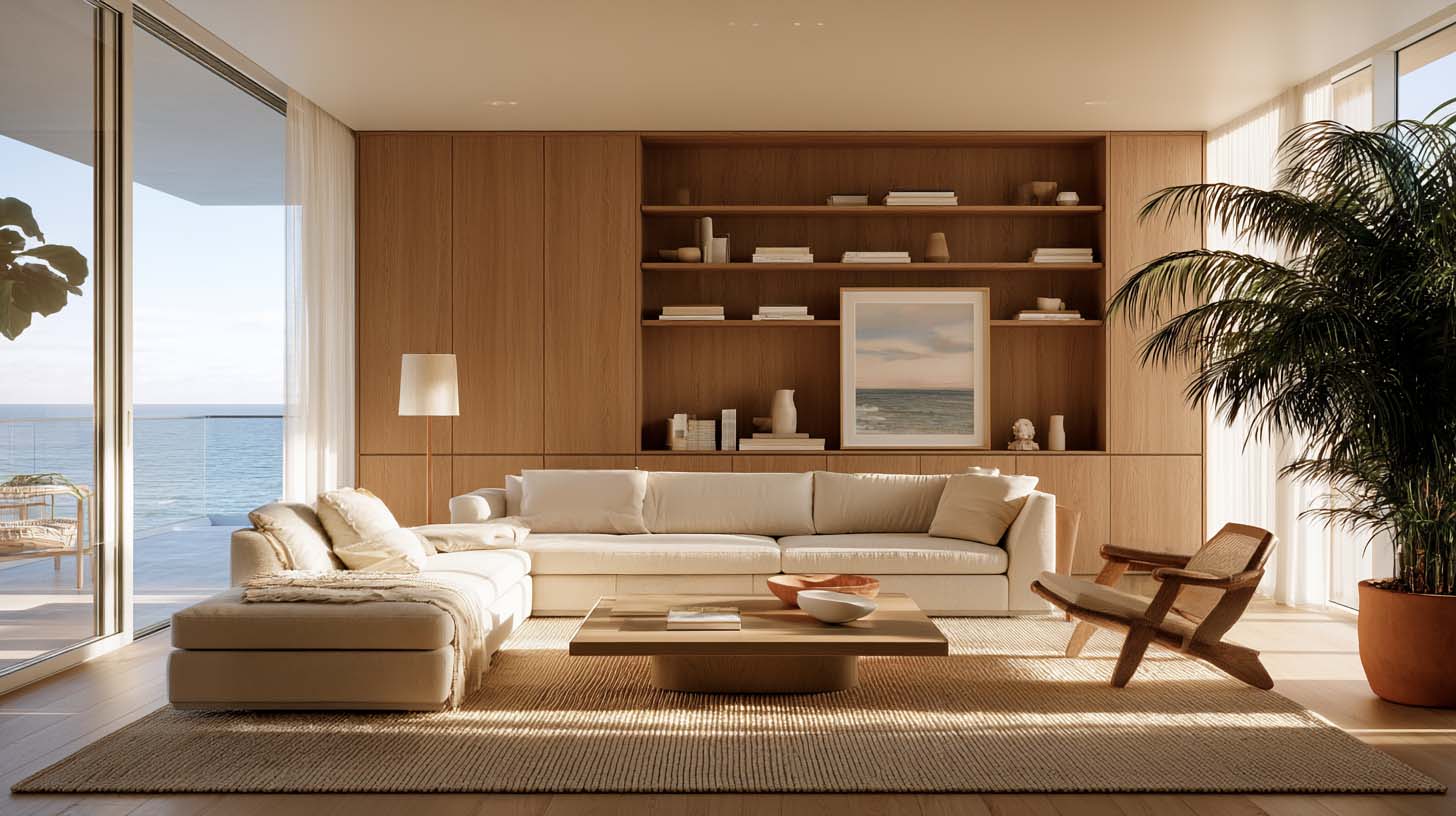
White oak has become one of the defining woods of contemporary luxury. Its appeal isn't dramatic grain or deep color; it's restraint. The grain tends to be linear and orderly, allowing furniture to contribute texture without overwhelming the room.
White oak feels relaxed, honest, contemporary, timeless, and naturally elegant. One reason designers appreciate it is its ability to coexist with almost any material: leather, limestone, brass, linen, steel. It complements rather than competes.
Despite its popularity in modern interiors, white oak is equally comfortable in traditional architecture when finished appropriately.
Red Oak: Bold Character
Red oak often receives less attention in today's design conversations. Much of that reputation comes from its widespread use in builder-grade homes throughout the 1980s and 1990s, not from any flaw in the wood itself. In reality, red oak has a more pronounced grain than white oak and naturally warmer undertones. Used thoughtfully, it introduces energy and visual movement.
Red oak tends to feel familiar, rustic, expressive, comfortable, and traditional. The challenge isn't the species; it's allowing every surface in the room to share the same heavy orange stain. Today's finishes can reveal a much more refined version of red oak than many homeowners remember.
Mahogany: Formal Elegance
Mahogany has long been associated with distinguished interiors: historic libraries, private clubs, executive offices, traditional dining rooms. Its fine grain and rich reddish-brown color communicate permanence. Mahogany doesn't suggest casual living. It suggests legacy.
Rooms featuring mahogany often feel distinguished, formal, established, collected, and confident. This explains why it continues to appear in heirloom furniture, paneling, and architectural millwork. Mahogany isn't trying to feel current. It's trying to feel timeless.
Designer Eyes Observation #3
Notice how often mahogany appears where important decisions have historically been made: boardrooms, libraries, judges' chambers, private studies. Materials quietly shape expectations long before conversations begin.
Cherry: A Material That Evolves
Cherry possesses one of the most fascinating characteristics of any furniture wood. It changes. Fresh cherry begins relatively light, and over time, exposure to light gradually deepens its color into the rich amber tones that collectors admire. Very few materials become more beautiful through ordinary use. Cherry does.
Its personality is often warm, refined, welcoming, traditional, and graceful. Because of this aging process, cherry furniture often develops a sense of history that newer materials struggle to replicate.
Ash: Quiet Confidence
Ash rarely seeks attention. That's precisely why designers appreciate it. Its straight grain creates visual order while maintaining enough texture to prevent furniture from feeling flat.
Ash often communicates simplicity, craftsmanship, function, lightness, and authenticity. It's especially effective in Scandinavian, Japanese, Shaker, and transitional interiors where excessive ornament would feel out of place. Ash reminds us that luxury doesn't always require visual weight. Sometimes it comes from clarity.
Choosing the Right Wood for Your Home
Rather than asking, "Which wood is best?" consider asking, "Which personality belongs in this room?"
If you're designing a gentleman's office filled with leather and books, walnut or mahogany may reinforce the atmosphere you're trying to create. If you're creating a calm family room filled with natural light, white oak may feel more appropriate. If you're furnishing a welcoming dining room intended to age alongside your family, cherry offers a warmth few materials can match.
Each species succeeds when paired with the experience you want people to have. You can see each of these species used in real projects throughout our project gallery.
Why Mixing Wood Species Isn't a Problem
One of the most common fears homeowners have is mixing different woods. They assume every surface should match perfectly. In reality, professionally designed homes almost never rely on a single wood species. Instead, designers create relationships: one wood may dominate, another provides contrast, a third introduces warmth.
The goal isn't perfect uniformity. It's visual conversation. When the undertones, scale, and proportions are thoughtfully considered, multiple wood species often create richer interiors than matching furniture sets ever could.
The TMH Perspective
The best wood for furniture isn't determined solely by strength or durability. It's determined by the atmosphere you're trying to create. Wood is one of the few materials capable of quietly influencing how an entire room is perceived.
Walnut brings quiet confidence. White oak introduces restraint. Mahogany conveys legacy. Cherry offers warmth and maturity. Ash celebrates craftsmanship. Red oak provides familiar character when thoughtfully finished.
Once you begin recognizing those personalities, you'll stop seeing wood as merely a material. You'll begin seeing it as one of the primary languages interior design uses to shape how a home feels. And that's something no stain color alone can accomplish.
If you are choosing a wood for furniture, floors, or cabinetry and cannot tell which suits the room, TMH's Full-Service Interior Design can choose the woods and finishes together as one scheme.
Prefer to design it yourself? Homefeld, our guided room design tool, lets you upload photos of your room, explore a new look, and get a practical plan to put it together.
Frequently Asked Questions
What is the best wood for luxury furniture?
There is no single best choice, but walnut, mahogany, white oak, and cherry are among the most respected wood species in luxury interiors because of their beauty, longevity, and timeless character.
What is the difference between white oak and red oak?
White oak has a straighter, more restrained grain with cooler undertones, making it popular in contemporary luxury interiors. Red oak has a more pronounced grain and naturally warmer undertones, giving it a bolder, more traditional appearance.
Why is walnut considered a luxury wood?
Walnut's rich natural color, elegant grain, and ability to create visual depth make it one of the most sought-after woods for high-end furniture and interior design.
Does cherry wood darken over time?
Yes. One of cherry's defining characteristics is that it naturally deepens in color as it ages and is exposed to light, giving furniture a richer, more distinguished appearance.
Can you mix different wood species in one room?
Absolutely. Well-designed interiors often combine multiple wood species. The key is creating harmony through complementary undertones, balanced proportions, and thoughtful repetition rather than trying to make everything match.


Facebook
Instagram
Youtube