Sophisticated Home Decor for Men: What Distinguishes It
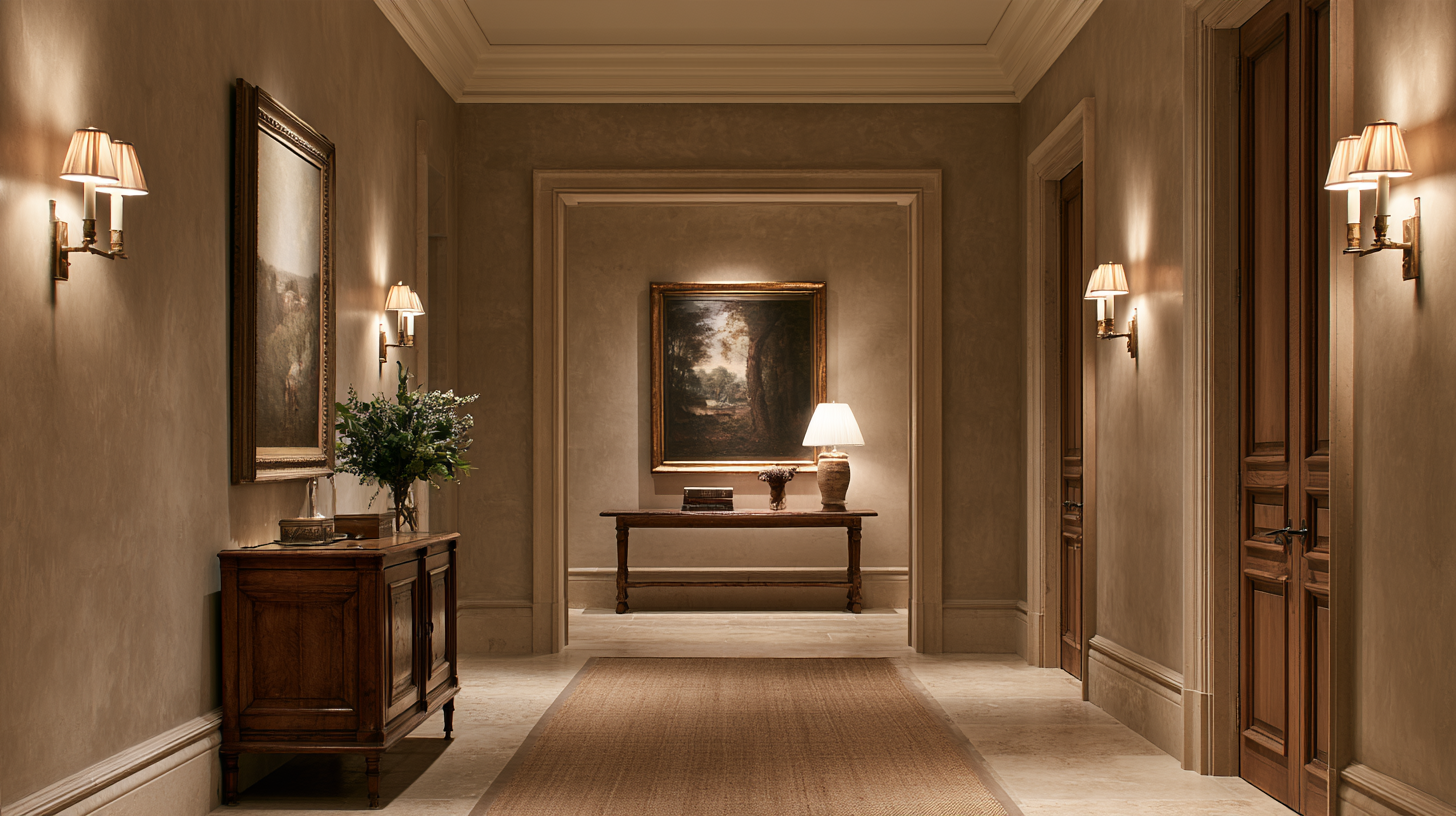
There are expensive homes that do not feel distinguished. You have probably seen one. Everything is technically impressive. Large rooms. Designer furniture. Stone. Expensive lighting. Custom millwork. Perhaps a recognizable piece on nearly every surface.
Yet the interior somehow communicates less than the price should suggest. Then there is another home. The furniture may be less expensive. The dining table fits perfectly. The rug has age. The lamps produce beautiful light. Books have clearly been read. Artwork feels chosen.
A chair has been kept long enough to develop wear. There are fewer things, but the things that remain appear to have reasons for being there. That home communicates something different. This is the distinction at the center of sophisticated home decor for men.
Sophistication is not a price tier. It is the cumulative effect of judgment. Proportion. Restraint. Material quality. Maintenance. Craftsmanship. Age. Hospitality. Personal objects. Consistency of taste. None of these requires conspicuous luxury.
And without them, conspicuous luxury rarely helps for long. If you are not sure how your own rooms measure up, TMH's Full-Service Interior Design can plan them with you.
Distinction Begins With Proportion
Before brand. Before material. Before styling. Look at scale. Does the sofa belong to the room? Is the rug broad enough to support it? Does the chandelier relate to the dining table? Are the lamps substantial enough for the furniture? Does the artwork occupy enough wall? Do the curtains relate to the ceiling height? Proportion creates a sense of inevitability.
Things look as though they belong where they are. When proportion is wrong, expense becomes surprisingly powerless. A $10,000 sofa that is much too small for a large room still looks timid. A priceless painting hung awkwardly does not rescue the wall.
A beautiful dining table beneath a tiny fixture still feels unresolved. This is why experienced design eyes tend to notice scale before decoration.
Sophistication Is Usually Quieter Than Luxury Marketing
Luxury retail often relies on visibility. You are meant to notice. Gloss. Branding. Exotic material. Dramatic veining. Sculptural forms. Nothing is inherently wrong with spectacle. But distinction often works through another mechanism. You notice that the room feels right before you notice why.
The wool has depth. The walnut grain is beautiful. The lamp has enough weight. The chair's arms are beautifully shaped. The curtains fall properly. The hardware feels substantial. The rug contains color you did not notice at first. Quality becomes something you discover. Not something announced to you.
Restraint Gives Good Things Room to Be Seen
Suppose a console contains one lamp, one painting, one ceramic object, and several books. You can notice all four. Add ten more decorative objects and something changes. The surface may become more styled. The individual quality becomes harder to see.
Restraint is not minimalism. A library can contain thousands of books. A collected room can contain substantial visual information. A traditional room can layer curtains, a patterned rug, art, antiques, and objects. The distinction is hierarchy. The eye understands where to go.
A Distinguished Room Knows What Matters Most
Every room needs priorities. Perhaps it is the fireplace. Artwork. A remarkable dining table. A view. A pair of chairs. Bookshelves. A rug. Once the dominant elements are established, supporting pieces should support. If the rug is visually complex, perhaps the sofa is quiet.
If the stone fireplace is dramatic, the adjacent tables may not need dramatic stone too. If the room contains exceptional art, the decorative objects can become less ambitious. Sophistication often requires resisting the urge to make every purchase interesting independently. The room is the interesting object.
Material Quality Is Different From Material Prestige
Natural materials tend to communicate depth because their surfaces vary. Wood grain. Stone. Leather. Wool. Linen. Bronze. Ceramic. But material prestige can become another form of conspicuousness. Marble is not automatically sophisticated. Neither is walnut. Leather. Brass. Mohair.
A poorly proportioned marble table remains poorly proportioned. Cheap-looking brass plating remains cheap-looking. Leather used everywhere becomes monotonous. The material needs the right application.
Craftsmanship Is Often Most Visible Where Nobody Advertises It
Look at an excellent object closely. The drawer closes properly. Wood grain may carry naturally across fronts. Joinery feels resolved. Upholstery meets the frame cleanly. The metal finish has depth. The edge profile is deliberate. The back of the chair looks as considered as the front. Craftsmanship is one reason older furniture remains relevant long after the original fashion disappears.
The Metropolitan Museum of Art's furniture galleries explicitly emphasize both materials and the sculptural, ergonomic qualities embedded in historic furniture design, useful evidence that well-considered furniture has always involved more than surface decoration. (The Metropolitan Museum of Art)
Good Furniture Does Not Need to Match
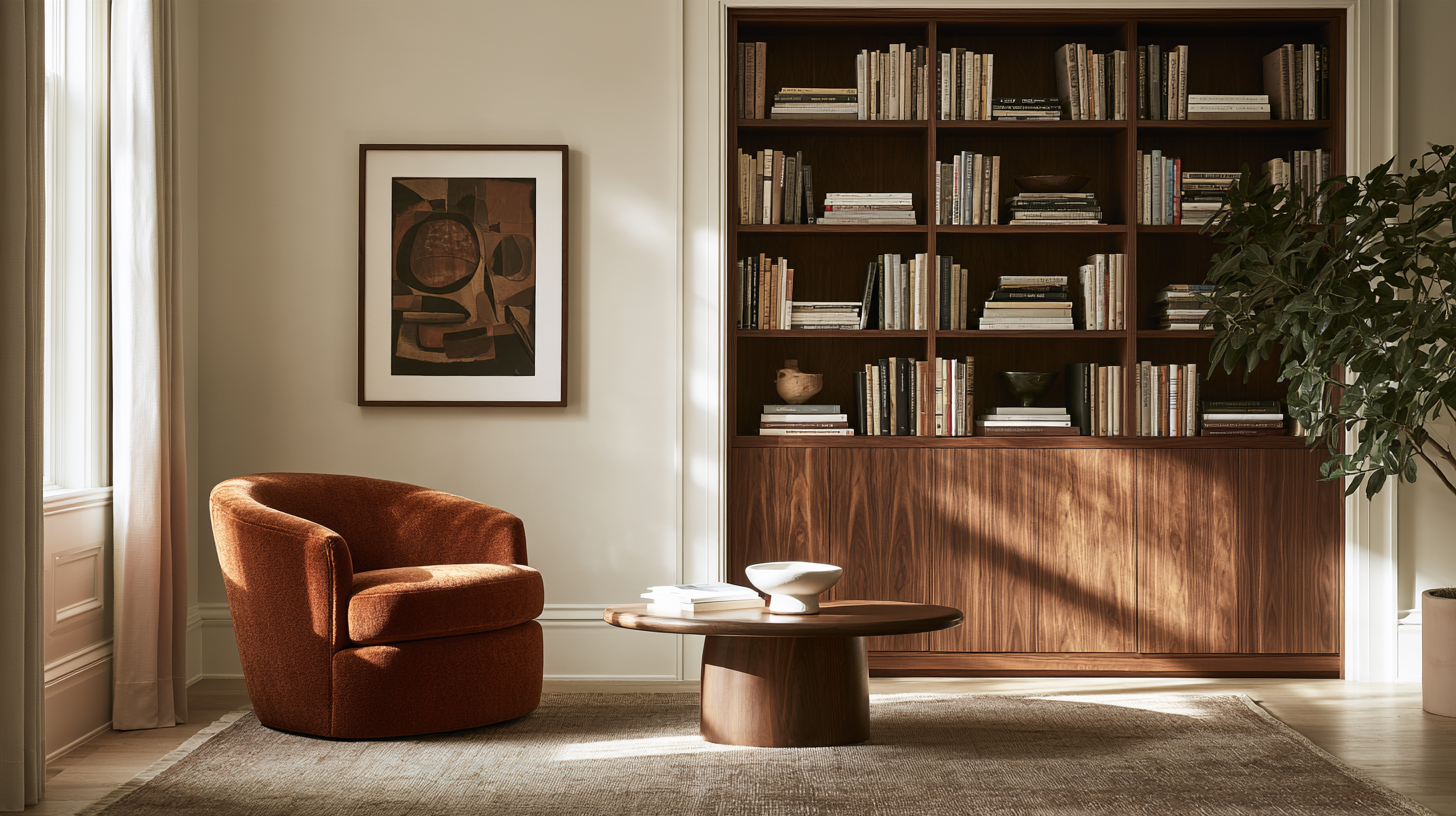
Matching furniture is efficient. It creates immediate consistency. Distinguished rooms often use a more complicated form of cohesion. A contemporary sofa. Older side table. Traditional rug. Modern art. Walnut cabinet. Bronze lamp. The objects relate through scale, color, material, and visual weight.
They do not need one manufacturer's finish code. This is part of why collected interiors often feel more sophisticated than showroom interiors. They imply judgment across time.
Age Gives a Room Credibility
New objects look new. That is not a defect. But a room containing only new things can feel somewhat frictionless. One antique changes the chronology. So does an old rug, inherited furniture, a vintage chair, an older painting, patinated metal, or books with wear.
The room begins to contain evidence that ownership extends beyond the current design cycle. This is an important ingredient in a sophisticated masculine interior because maturity is difficult to imitate entirely with newly manufactured objects.
Patina Is Stronger Than Artificial Distressing
There is a difference between something that has aged and something designed to look aged. An old brass lamp may have irregular surface variation. A chair's leather darkens where hands repeatedly touch it. Wood finish softens at the edge. Rug pile changes in traffic zones. These changes have logic.
Manufactured distress can be visually attractive, but it often distributes "age" evenly because age has been treated as a finish. Real patina has biography. This is part of why certain materials become richer with continued ownership.
Books Are One of the Quietest Signals of Distinction
Books do not need to be old. Or leather-bound. Or beautifully coordinated. A home containing serious books usually becomes more interesting because the collection reveals thought. History. Architecture. Fiction. Biography. Philosophy. Art. Business. Whatever matters.
The bookcase becomes an intellectual portrait without attempting to be one. The sophisticated move is not buying decorative books. It is reading enough over time that books naturally become part of the room.
Art Shows Taste More Clearly Than Branded Decor
A recognizable designer object can reveal purchasing power. Art asks for judgment. Do I like this? Why? Would I live with it? Does it hold my attention? Those questions make art one of the strongest forms of personal distinction. The work need not be expensive. Original art from an emerging artist may be more compelling than a famous luxury accessory because the choice itself becomes specific.
The Smithsonian's examination of domestic images in historical parlors found that artworks and photographs helped households express aesthetics, values, aspirations, and history, an old domestic function that remains highly recognizable today. (Smithsonian American Art Museum)
Art Should Not Be Selected to Match the Sofa
Color relationships matter. But if the primary reason you own a painting is that it perfectly contains the room's three accent colors, the room may be controlling the art rather than the opposite. Choose work you would still want if the sofa changed. That usually leads to a more enduring collection.
Personal Objects Prevent Sophistication From Becoming Generic
There is a version of elegant design that resembles an excellent hotel. Beautiful. Comfortable. Impersonal. Homes need another layer. Travel ceramics. Photography. Family objects. Collections. Books. Inherited furniture. Things connected to hobbies. Work. Places. People. These interrupt generic perfection.
An elegant home for men should not feel as though another wealthy man could move in tomorrow without changing anything. Specificity is part of distinction.
Hospitality Is One of the Clearest Forms of Sophistication
Does the dining room get used? Can people sit comfortably? Is there enough light? Does someone have a place to set a drink? Is the guest bathroom thoughtfully maintained? Can the home accommodate conversation without everyone facing a screen?
A distinguished home is not merely good at being looked at. It is good at receiving life. Hospitality forces design to move beyond appearances because the furniture has to work for people.
Comfort Is Non-Negotiable
An elegant chair nobody wants to sit in becomes sculpture. A beautiful sofa that forces awkward posture is a failed sofa. A dining chair uncomfortable after twenty minutes undermines the entire dining room. Distinction and comfort are not opponents.
Historically important furniture is frequently studied not only for form and material but also for its ergonomic and functional design. The Met's current American furniture presentation makes that explicit. (The Metropolitan Museum of Art)
The best rooms assume people will touch the furniture. Sit. Eat. Read. Stay.
Lighting Creates an Entire Second Interior After Sunset
A distinguished home should not become flat when natural light disappears. Layered lighting allows wood to deepen, bronze to glow, artwork to remain visible, leather to reveal texture, bookshelves to recede and advance, and dining rooms to become intimate.
A beautiful lamp is therefore not simply an accessory. It is part furniture, part sculpture, part atmosphere. The correct lighting changes the perceived quality of everything already in the room.
Distinguished Homes Are Maintained
This is one of the least glamorous and most important ideas. Loose hardware. Burned-out bulb. Dirty shade. Damaged grout. Scratched paint. Dead plant. Dust-covered bookshelves. Broken furniture. These things erase sophistication quickly because they communicate indifference.
A modest home maintained beautifully can feel far more distinguished than an expensive home being allowed to deteriorate. Stewardship matters. You notice. You fix. You care.
Clean Is Not the Same as Empty
There is a tendency in contemporary interiors to equate sophistication with almost no visible life. Perfect countertop. Empty table. Bare shelving. Nothing personal. That can photograph beautifully. But a lived-in home may contain books, a folded blanket, several photographs, a chess board, barware, a newspaper, and objects on the desk.
The question is whether things have territory. Order can coexist with evidence of life.
Consistency of Taste Is More Important Than Following One Style
A distinguished home does not need stylistic purity. It needs discernment that repeats. Perhaps the owner consistently prefers strong natural materials, restrained color, older furniture mixed with new, large artwork, simple lighting, books, and traditional rugs.
Over several rooms, those preferences form identity. This is different from declaring the home "Mid-Century Modern" and forcing every object to comply. Personal consistency is often subtler than stylistic consistency. And more convincing.
Confidence Sometimes Looks Like Not Filling Something
Empty wall. Unoccupied corner. Partially open shelf. Large table with very little on it. These are not failures automatically. Negative space can communicate confidence because the room does not appear anxious to prove completion. One substantial chair may be enough. One painting may be enough. A good object needs room around it.
Expense Should Be Concentrated Where It Changes the Room
If the budget is substantial, spend intelligently. Better upholstery. Proper rug. Excellent dining table. Original art. Good millwork. Real window treatments. Lighting. One antique. These tend to alter the room more deeply than purchasing many prestige accessories.
This is the same principle behind quiet luxury: Quality distributed according to influence. Not status distributed according to visibility.
Designer Eyes: Ask What Still Works With the Accessories Removed
Remove the coffee-table styling, decorative pillows, flowers, small objects, and most accessories. Now look at the room. Are the furniture relationships strong? Is the rug correct? Does the lighting work? Are the materials good? Does the art hold the walls? Does the architecture feel resolved? A truly sophisticated room should survive this test.
Accessories should enrich the room. They should not be concealing its structural weaknesses.
Distinction Is Often the Result of Time
Perhaps this is the hardest part to manufacture. The book collection grows. The leather changes. A painting arrives. An inherited object enters the house. The right antique appears. A rug moves from one room to another. Something expensive is replaced by something simpler because taste improves.
The room becomes more selective. This is why the most convincing homes often contain evidence that they were never "finished" on a single installation day. Taste accumulated.
The TMH Perspective
A distinguished man's home does not tell you first how much money he has. It tells you that he pays attention. The furniture has enough presence. There are fewer unresolved decisions. Materials improve with closer inspection. Artwork reveals opinion. Books reveal attention. Objects reveal history. Guests can sit comfortably. The house is maintained. Good things are allowed to age.
There is restraint where restraint makes the better things more visible. That is sophistication. Not a style. Not a shopping category. A standard.
If your home contains good furniture but still lacks the coherence, restraint, and presence you associate with more distinguished interiors, TMH Full-Service Interior Design can establish the hierarchy among architecture, furniture, lighting, materials, art, and personal objects rather than simply adding more expensive things.
Prefer to design it yourself? Homefeld, our guided room design tool, lets you upload photos of your room, explore a new look, and get a practical plan to put it together.
Frequently Asked Questions
What makes a man's home look sophisticated?
Proportion, restraint, material quality, craftsmanship, good art, books, age, lighting, maintenance, personal objects, and hospitality usually matter more than obvious luxury.
Does sophisticated masculine design need to be traditional?
No. Modern, Scandinavian, Mid-Century, rustic, contemporary, and traditional interiors can all feel distinguished when the underlying standards are strong.
How can I make my home look expensive without being flashy?
Concentrate spending on influential elements such as furniture, rugs, lighting, curtains, art, and cabinetry. Use fewer decorative status objects and pay more attention to scale and material.
Does a sophisticated home need antiques?
No, but one or two older pieces can add age and chronology that a room furnished entirely with new objects may lack.


Facebook
Instagram
Youtube