Masculine Furniture: What Actually Makes a Piece Feel Masculine?
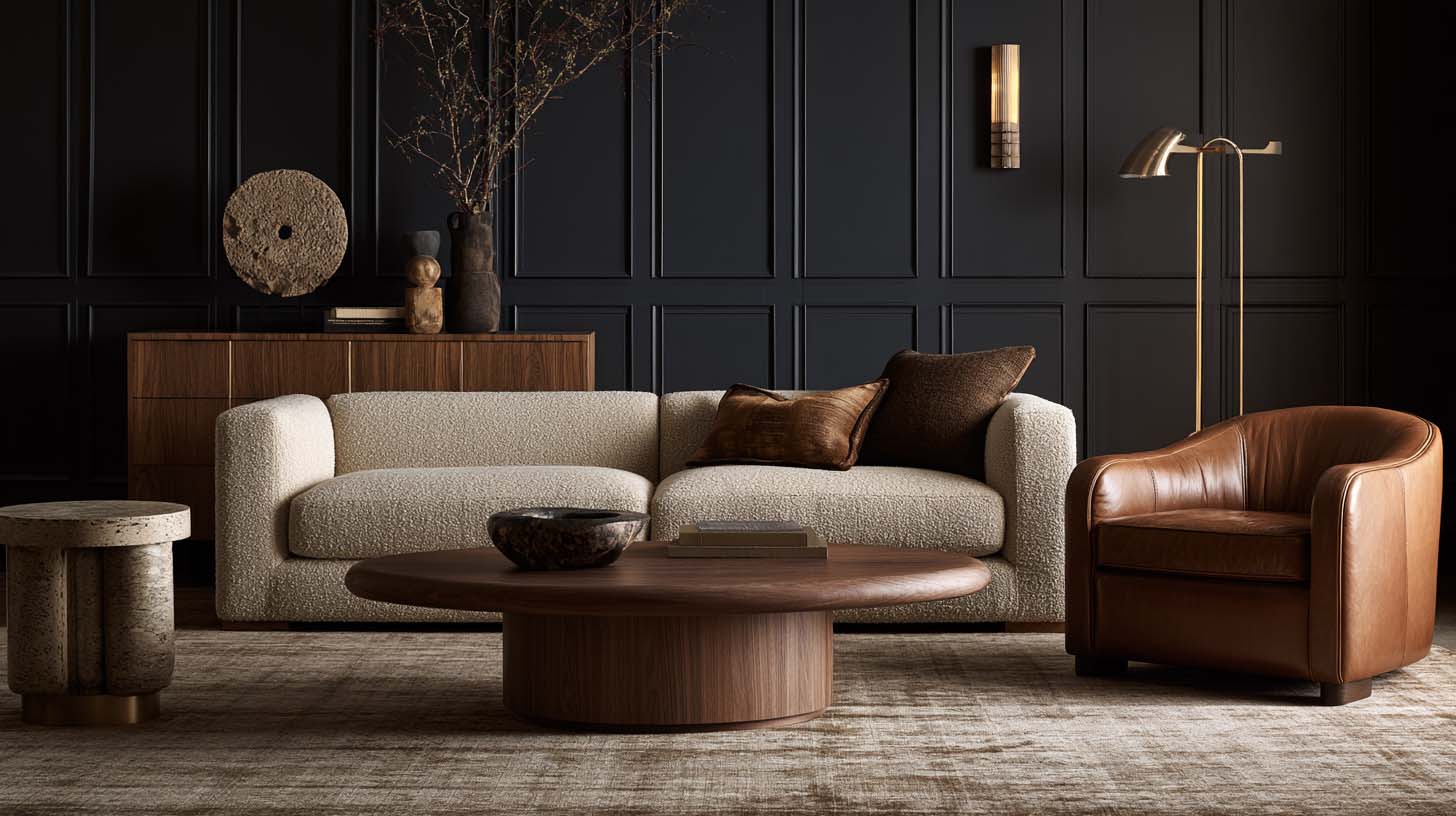
There is no official category of masculine furniture. A chair is not inherently male. A table does not possess gender. Yet most people can look at two pieces of furniture and immediately sense that one is more masculine than the other. Why? Usually because of visual characteristics, not because the piece contains leather or was painted black.
Thickness, scale, silhouette, material, construction, upholstery, proportion, detail, and historical association together decide whether furniture feels delicate or substantial, ornate or restrained, refined or rugged, formal or relaxed. Understanding those signals is far more useful than shopping specifically for "furniture for men." It lets you recognize masculine furniture across almost any interior style.
Visual Weight Is the Starting Point
Visual weight is not the same as physical weight. A chair can be physically heavy and still look delicate. Another can be relatively lightweight but carry strong visual presence. Leg thickness, arm width, seat depth, back height, base design, material density, upholstery, color, and the amount of visible structure all affect perceived weight.
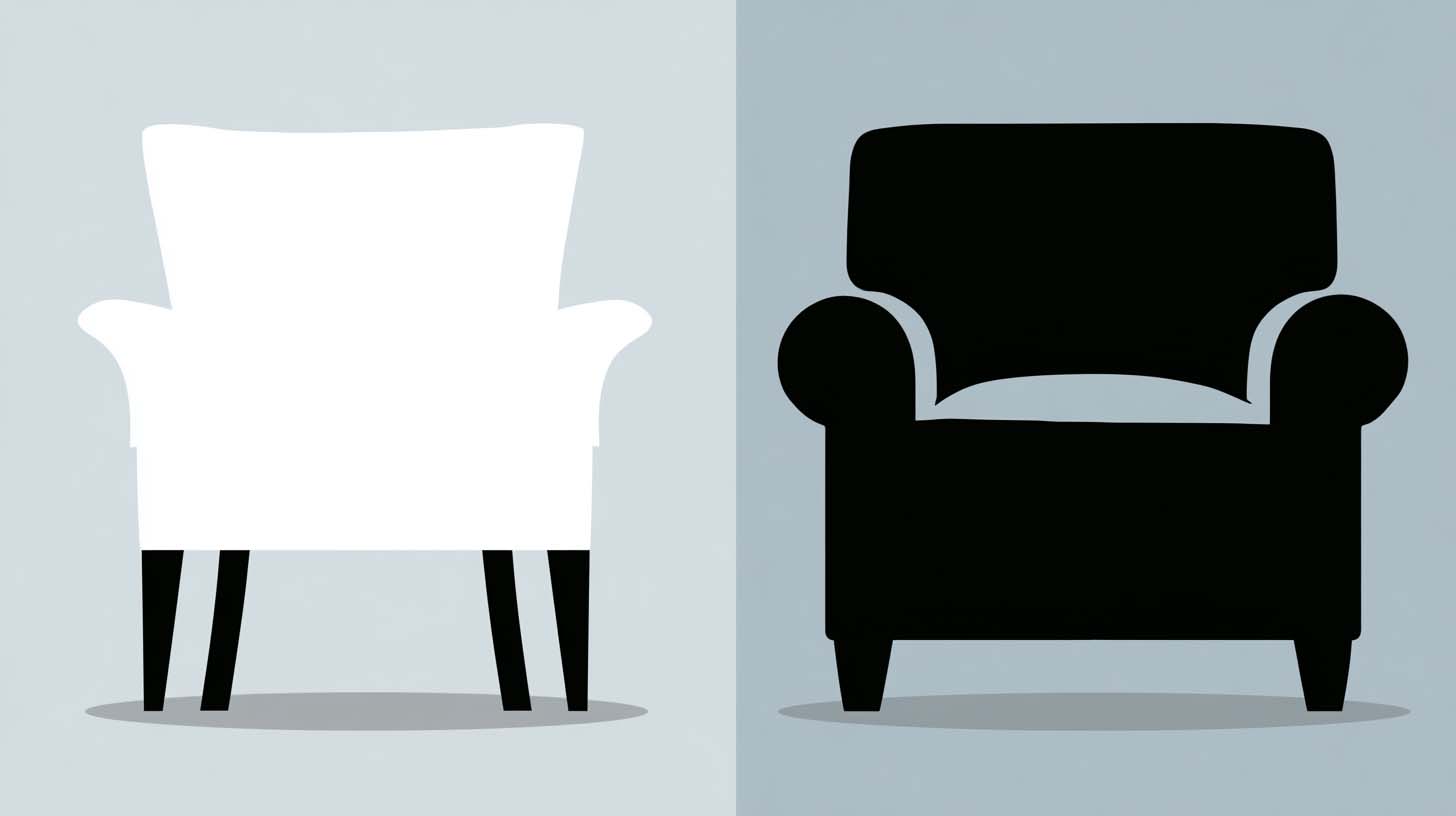
Compare a slender dining chair with tapered legs to a broad barrel-backed chair. Neither is better, but the second occupies more psychological territory. That sense of presence is one of the most consistent traits in masculine furniture.
Substantial Does Not Mean Oversized
This distinction is critical. A giant sectional is not automatically masculine. A massive desk can actually weaken a room if it overwhelms the architecture. Furniture should feel substantial relative to its surroundings. A compact club chair can carry more presence than an oversized recliner because its proportions are tighter and its silhouette more coherent. A beautifully designed writing desk may feel stronger than a huge executive desk covered in decorative molding. Scale is about fit. Visual weight is about presence. Good masculine furniture needs both.
Designer Eyes: Ignore the Product Dimensions for a Moment
When evaluating a piece online, mentally remove the staged room around it. Look at the thickness of the top, the width of the arms, the proportion of leg to body, the amount of empty space beneath the piece, and the relationship between seat and back. Retail photography can make underscaled furniture look far more substantial than it will in your actual room.
Leg Thickness Changes the Entire Piece
Furniture legs are one of the fastest ways to identify visual character. Thin, high legs expose more floor, which makes a piece appear visually lighter. Shorter, thicker legs bring mass closer to the ground. Plinth bases, pedestal bases, block feet, bun feet, broad trestles, and substantial turned legs all create more gravity. That does not mean masculine furniture requires chunky legs. Mid-century furniture, for example, frequently uses tapered legs successfully because the silhouette, wood, width, and proportion still supply enough presence. The point is always to judge the piece as a whole.
Silhouette Communicates More Than Color
Consider sofas. A Chesterfield has rolled arms, deep button tufting, and a strong historical profile. A tuxedo sofa uses arms and back of similar height, giving it architectural formality. A track-arm sofa feels clean and contemporary. A rolled-arm sofa feels established and comfortable. Any of these can belong in a masculine room. The real question is whether the silhouette communicates the kind of masculinity you want: traditional, modern, refined, rugged, relaxed, or formal. Choosing furniture by color first misses this entirely. A black sofa with a weak silhouette may contribute less masculine character than a cream sofa with beautifully proportioned arms and a substantial base.
Material Carries Historical Associations
Materials come with visual and cultural memory. Leather suggests durability, equestrian equipment, clubs, libraries, travel goods, automotive upholstery, and long use. Walnut and mahogany suggest cabinetry, desks, libraries, and formal furniture. Oak can move from English traditional to Arts and Crafts to rustic to highly contemporary depending on cut and finish. Iron suggests utility and structure. Brass introduces warmth and historical refinement. Wool suggests tailoring, warmth, and durability. Stone provides mass. These associations shape perception even when you are not consciously thinking about them. Historical furniture offers excellent examples of how structure, material, ornament, and silhouette work together. The Metropolitan Museum of Art’s collection descriptions, for instance, show how designers such as Greene and Greene developed furniture as an integrated part of architecture, with woods, joinery, silhouette, and decorative details contributing to the total character of an interior. (The Metropolitan Museum of Art) The lesson is not to imitate museum furniture. It is to recognize that furniture has always communicated through more than surface color.
Wood Can Feel Masculine Without Being Dark
Dark walnut and mahogany are obvious choices, but they are not the only ones. White oak can feel highly masculine when used in broad, architectural forms. Medium oak produces warmth. Smoked oak introduces depth. Ash can feel contemporary. Reclaimed wood can lean rustic. The grain, cut, finish, and shape matter at least as much as darkness. A thick white oak dining table with a restrained trestle base can feel more masculine than a thin, espresso-stained table made to look dark. Material honesty matters.
Leather Works Because of Character, Not Because It Is "For Men"
Leather has become so strongly associated with masculine interiors that it is often overused: one leather sofa, two matching leather chairs, a leather ottoman, a leather desk pad, leather accessories, and eventually the room starts to look themed. Leather is strongest when contrasted with other materials like wool, linen, wood, stone, velvet, woven textiles, or aged metal. Cognac leather beside cream wool is more interesting than cognac leather beside more cognac leather. The material's greatest asset is its capacity to change over time. Good leather creases, darkens, softens, and develops variation, and that biography is a large part of its appeal.
Upholstery Changes the Masculinity of a Silhouette
A chair does not need leather to feel masculine. Charcoal wool, olive mohair, brown velvet, herringbone, heavy linen, tweed, camel wool, and restrained plaid can all carry a room. Fabric can add more character than leather when the room already contains many hard surfaces. The important qualities are hand, weight, texture, and tailoring. Thin, shiny fabrics tend to feel less substantial, while dense wool, mohair, textured linen, and heavy cotton usually hold visual weight more convincingly.
Restraint in Detailing Often Feels Stronger
Masculine furniture does not need to be plain. Carving, nailheads, tufting, brass hardware, turned legs, marquetry, and architectural details can all belong. The difference is usually degree. One strong line of brass hardware can be more effective than excessive ornamental metal. A restrained nailhead border may sharpen a leather chair, while covering every edge in nailheads makes the detail itself the subject. Furniture feels most confident when ornament supports the structure rather than disguising it.
Craftsmanship Creates Authority
There is a reason well-made furniture often feels more substantial even before you understand how it was built. Good construction creates convincing relationships between parts: joints feel intentional, drawers align, upholstery sits correctly, wood thickness makes structural sense, and hardware feels appropriate to the mass of the piece. Cheap furniture often imitates the surface characteristics of expensive furniture while cutting these underlying relationships. A thick-looking tabletop may actually be hollow. Decorative joinery may imitate structural joinery. Wood grain may be printed. Leather may be heavily corrected or synthetic. This does not mean every masculine room needs expensive furniture. It means material and construction deserve attention because they affect visual credibility.
Historical Furniture Types Carry Different Kinds of Masculinity
Masculine furniture styles are easier to understand when you look at the traditional archetypes behind them.
The Club Chair
Low, deep, enveloping, often leather. It communicates comfort and substantial presence.
The Wingback
Tall-backed and architectural, bringing verticality and formality.
The Chesterfield
Deep tufting and rolled arms create unmistakable visual authority.
The Campaign Chest
Originally associated with portable military furniture, campaign pieces typically combine restrained geometry with brass hardware.
The Partner's Desk
Large, formal, and often finished on both sides. It can anchor an office or library.
The Trestle Table
Visible structural logic and a strong base create visual weight.
The Four-Poster Bed
Vertical architecture gives a bedroom immediate hierarchy.
None of these pieces should be bought simply because of their masculine associations, but understanding those associations helps explain why they affect a room the way they do.
Contemporary Masculine Furniture Uses the Same Principles
Remove the historical ornament and the principles remain. A contemporary masculine sofa might use a low continuous plinth rather than turned wood feet. A stone coffee table might replace an antique wood table. A sculptural lounge chair might replace a leather club chair. The materials and details change, but visual weight, scale, proportion, and substance stay the same. This is why masculine furniture can exist comfortably in contemporary interiors without relying on traditional masculine cliches.
Furniture Should Relate Rather Than Match
One of the fastest ways to flatten a room is buying a matching furniture set: matching sofa and chairs, matching coffee and end tables, a matching bedroom suite. The room becomes consistent but not necessarily coherent. Coherence requires relationship. A walnut console can relate to an oak coffee table because both have warm grain. A linen sofa can relate to leather chairs because their silhouettes share similar weight. An antique chest can relate to a modern bed because the brass hardware repeats elsewhere. You want pieces that speak to each other without repeating each other, which is a more sophisticated goal than matching finishes.
Masculine Furniture Still Needs Contrast
If every piece is substantial, dark, wood, and square, the room becomes heavy. Masculinity benefits from contrast just as any good interior does: a heavy sofa with a lighter side table, a blocky stone coffee table with a softer upholstered chair, a dark cabinet with a lighter rug, a straight-lined sofa with a curved chair, a heavy antique with contemporary lighting. Strength becomes more visible when something lighter sits beside it.
Do Not Buy a Piece Because It Looks Masculine in Isolation
This may be the most useful buying principle in this entire article. Furniture does not live in isolation. A spectacular leather chair can be the wrong chair for your room. A handsome mahogany desk can overwhelm a small office. A beautiful rustic table may conflict with contemporary architecture. A black sofa may duplicate darkness that is already there. Before buying, ask whether the scale fits, whether the silhouette relates to what you already own, whether the material adds something new, whether the wood tone works, whether the room is becoming too visually heavy, and what will sit beside it. "Do I like it?" is only the first question. If you want a second opinion before you commit to a piece, a Room Audit is built to answer exactly that.
Masculine Furniture Is About Presence, Not Stereotype
The strongest furniture for a masculine home rarely needs to advertise itself as masculine. It simply has convincing proportions, appropriate scale, material substance, strong silhouettes, honest construction, useful function, enough visual weight, and details consistent with its architecture. Sometimes that means leather and walnut. Sometimes it means cream wool and white oak. Sometimes it is an antique campaign chest, and sometimes it is a very simple contemporary sofa. The deeper principle stays the same: the piece feels as though it belongs there, and as though it will still deserve to be there years from now.
Want your furniture chosen to work together? Explore Full-Service Interior Design
Frequently Asked Questions
Does masculine furniture have to be leather?
No. Charcoal wool, olive mohair, heavy linen, and tweed can all read as masculine when the weight, texture, and tailoring are right. Leather is one option among several, not a requirement.
Is bigger furniture more masculine?
Not necessarily. Oversized pieces can actually weaken a room if they overwhelm its architecture. What matters is visual weight relative to the space, not raw size.
How can I tell if furniture is well made before buying it?
Look past the marketing photos at leg thickness, joint construction, drawer alignment, and whether the wood grain and leather look real rather than printed or corrected. Well-built furniture tends to have consistent, intentional relationships between its parts.
Can matching furniture sets look masculine?
They can look coordinated, but coordination is not the same as coherence. Pieces that relate through shared wood tone, weight, or silhouette usually create a stronger room than a furniture set that matches exactly.

Facebook
Instagram
Youtube