How to Make a Room Feel Expensive Without Using Luxury Brands
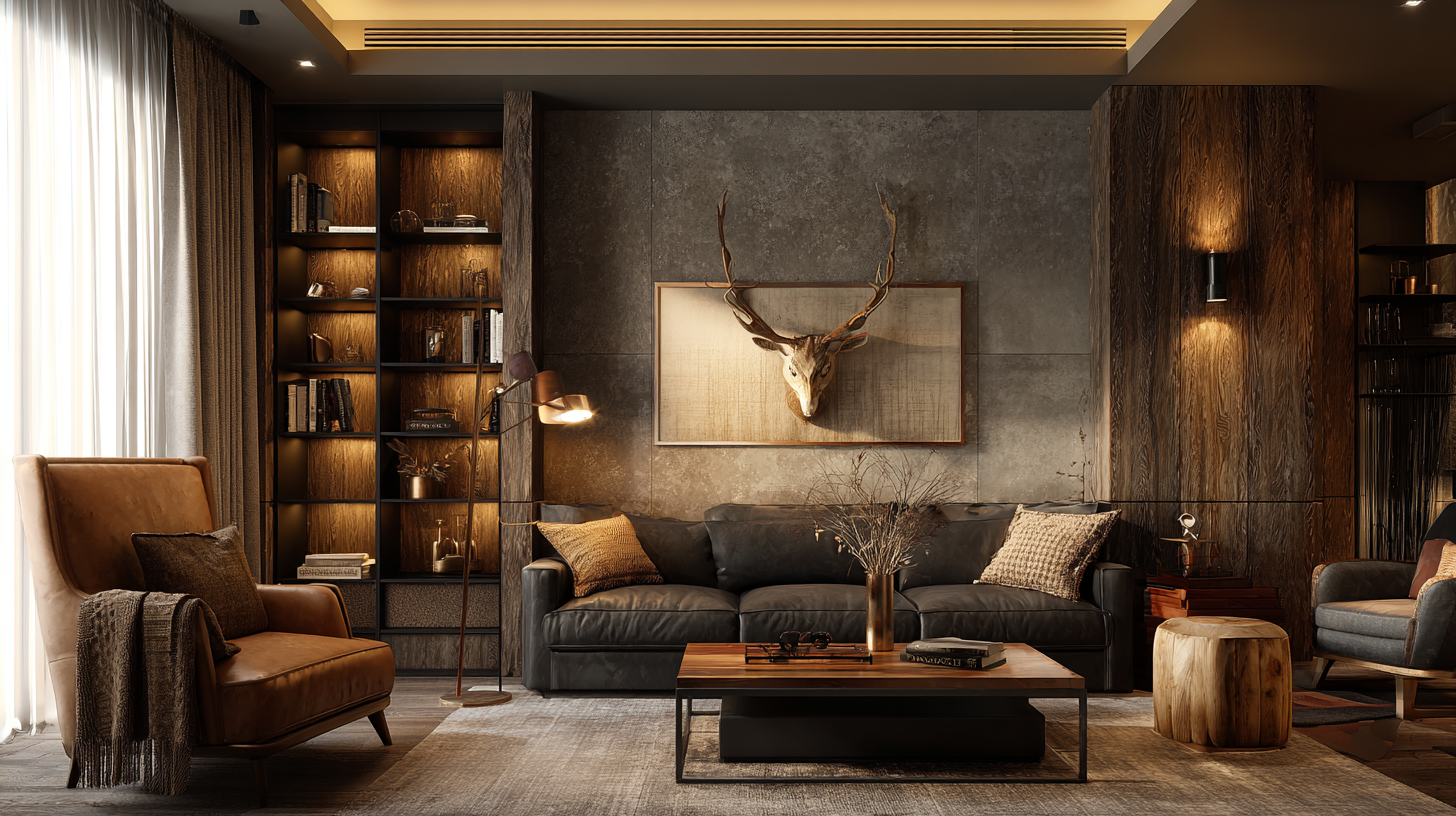
People often assume expensive interiors are built with expensive furniture.
They're not.
They're built with better decisions.
You've probably walked into homes that contained surprisingly ordinary furniture yet somehow felt elegant.
You've also seen homes filled with luxury brands that still felt cluttered, awkward, or forgettable.
The difference wasn't the budget.
It was the design.
Expensive-looking rooms follow a set of principles that have very little to do with price tags.
Luxury Begins With Restraint
One of the fastest ways to make a room feel inexpensive is trying too hard.
Too many accessories.
Too many accent colors.
Too many decorative objects competing for attention.
The room feels like it's constantly asking for approval.
Confident interiors don't need to prove themselves.
They allow important pieces to breathe.
Negative space isn't empty space.
It's what gives everything else significance.
Designer Eyes
Walk through your room and ask yourself,
"If I removed three decorative objects, would the room become weaker... or clearer?"
The answer is often surprising.
Materials Matter More Than Labels
Luxury isn't created by logos.
It's created by authenticity.
Solid wood develops character.
Leather gains patina.
Natural stone reveals variation.
Linen softens with age.
These materials improve because they carry imperfections honestly.
Synthetic materials often try to imitate what natural materials achieve effortlessly.
A modest walnut table usually feels more expensive than an elaborate imitation finished with plastic veneers.
People respond to authenticity long before they recognize brands.
Scale Creates Sophistication
One of the quiet differences between ordinary rooms and extraordinary ones is proportion.
Expensive interiors understand scale.
Artwork feels appropriately sized.
Coffee tables relate comfortably to sofas.
Curtains reach the floor.
Lighting feels intentional rather than undersized.
Furniture belongs to the architecture instead of merely fitting inside it.
Designer Eyes
If everything in the room feels slightly too small, the room itself will always feel less substantial.
Commit to a Palette
Luxury interiors rarely depend on endless color.
Instead, they rely on refinement.
A restrained palette allows materials to become the source of interest.
Walnut beside charcoal.
Leather beside linen.
Bronze beside deep green.
Instead of introducing excitement through more colors, expensive rooms introduce richness through texture, finish, and variation.
The result feels composed instead of busy.
Lighting Changes Everything
Lighting may be the most overlooked luxury feature in any room.
One overhead fixture creates brightness.
Layered lighting creates atmosphere.
Table lamps introduce warmth.
Wall sconces reveal texture.
Accent lighting highlights architecture.
Controlled shadows give materials depth.
The room suddenly feels more expensive without replacing a single piece of furniture.
Quality Over Quantity
Luxury isn't measured by how many things occupy a room.
It's measured by how carefully each one was chosen.
One exceptional chair often creates more impact than three average ones.
One large piece of artwork usually feels stronger than a gallery of unrelated prints.
One beautiful coffee table book stacked thoughtfully often communicates more than dozens of decorative accessories.
Every object should earn its place.
Let the Room Breathe
Many people feel compelled to decorate every wall.
Every shelf.
Every corner.
But expensive interiors understand something different.
Not every surface deserves attention.
Some elements should quietly support the room.
Others should lead it.
This creates hierarchy.
And hierarchy creates confidence.
When every object competes equally, nothing feels important.
Luxury Is Really Confidence
The most expensive-looking rooms rarely feel extravagant.
They feel calm.
Intentional.
Grounded.
Every decision appears considered.
Nothing feels accidental.
Nothing feels desperate to impress.
That's why people mistake them for luxury.
Not because they contain famous brands.
Because they demonstrate something far more valuable.
Clarity.
Continue Building Your Eye for Design
Rooms that feel luxurious aren't built through expensive purchases. They're built through an understanding of proportion, lighting, materials, color, layout, and the relationships that give a space depth and lasting character.
The Masculine Interior Style Guide teaches the ten timeless masculine interior styles we believe every man should understand, complete with exact paint colors, material palettes, furniture direction, styling guidance, and the principles that define each style. It also includes a 30-minute video walkthrough to help you confidently choose the style that best fits your home and bring it to life.
Whether you're upgrading one room or designing an entire home, the guide will help you make thoughtful design decisions with confidence and create spaces that feel cohesive, timeless, and unmistakably yours.
Explore The Masculine Interior Style Guide →

Facebook
Instagram
Youtube