Masculine Interior Design Isn't a Style. It's a Set of Decisions
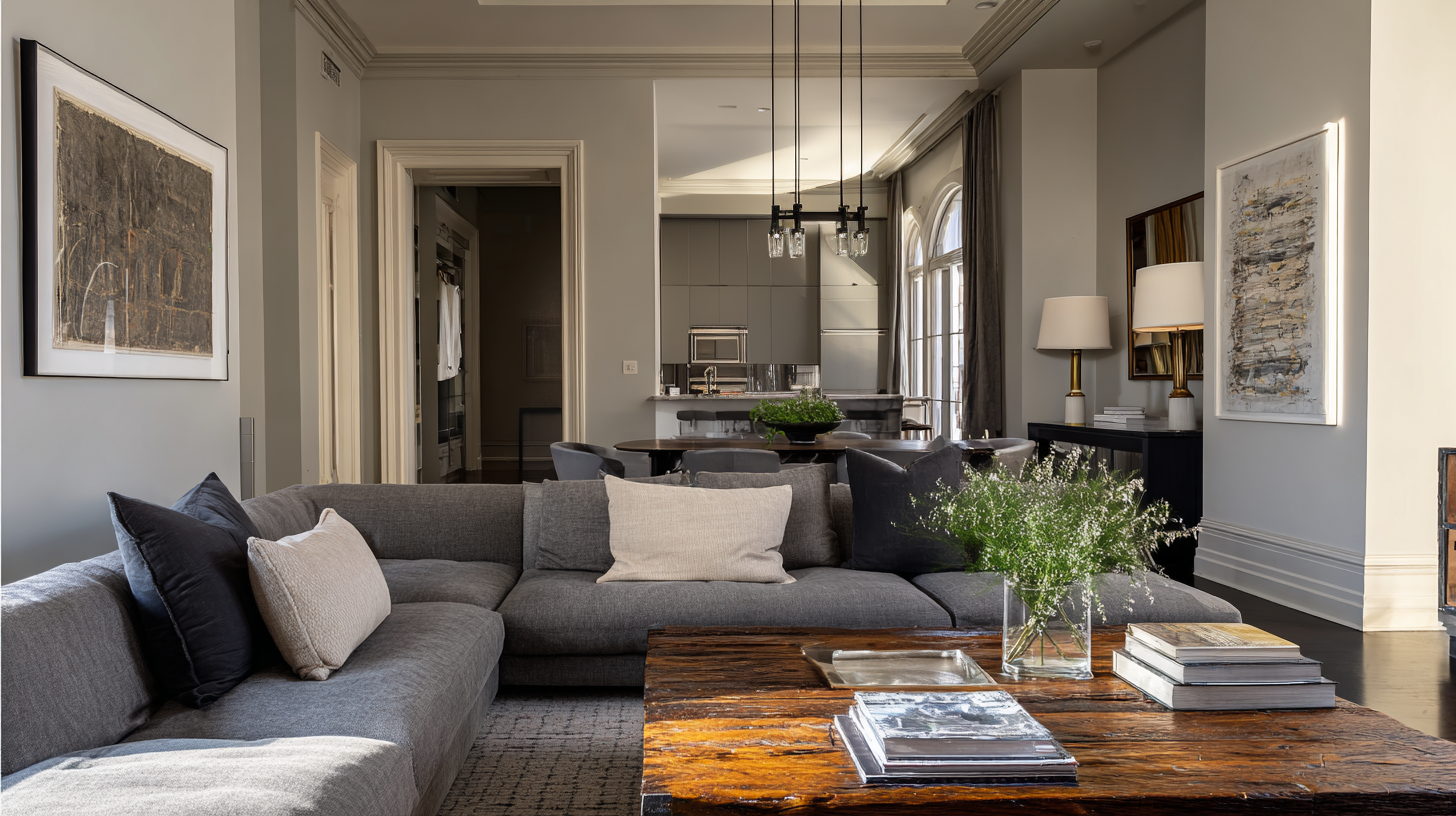
One of the biggest misconceptions about masculine interior design is that it's a style. People assume it means dark walls. Leather furniture. Industrial lighting.
Black metal. Walnut. Whiskey decanters. Those elements certainly can appear in masculine homes.
But they aren't what makes a room masculine. They're simply one possible outcome. The real foundation of masculine design has very little to do with any particular aesthetic. It's a way of making decisions. If you are not sure how to make those decisions for your own home, TMH's Full-Service Interior Design can guide them with you.
Styles Change. Principles Don't.
Every few years, a new design trend arrives promising to replace the last one. Farmhouse becomes contemporary. Contemporary becomes organic. Organic becomes quiet luxury. Then something else takes its place.
If your home is built around trends, you'll always feel one renovation behind. Masculine interiors approach design differently. Instead of asking, "What's popular?"
They ask, "What will still feel right twenty years from now?" That's an entirely different question. And it produces entirely different rooms.
Every Decision Should Support the Next
Walk into a remarkable home and notice something. Nothing feels isolated. The lighting supports the furniture. The furniture supports the architecture.
The materials reinforce the color palette. The artwork belongs to the room instead of simply filling a wall. Nothing exists because it looked good in a showroom. Everything belongs because it strengthens everything around it.
That's composition. Not decoration.
Designer Eyes: Ask the Better Question
When choosing something new, stop asking, "Do I like this?" Instead ask, "Does this strengthen the room I've already started building?" Those are rarely the same question.
Masculine Design Values Permanence
Masculine interiors tend to favor materials that improve with time rather than merely survive it. Leather develops patina. Solid wood gains character. Natural stone reveals age beautifully.
Linen softens. Brass acquires depth. These materials aren't valuable because they're expensive. They're valuable because they mature alongside the home.
Design decisions should become more rewarding over time. Not less.
Restraint Is a Competitive Advantage
Modern interiors often confuse abundance with quality. More accessories. More colors. More trends. More furniture.
Masculine design quietly moves in the opposite direction. Fewer objects. Better chosen. Fewer materials. Greater consistency.
Fewer focal points. Stronger hierarchy. Restraint isn't the absence of personality. It's confidence that personality doesn't require constant explanation.
Designer Eyes: Count the Ideas
The rooms people remember rarely contain the most objects. They contain the clearest ideas.
Function Shapes Beauty
Beautiful rooms shouldn't fight the people living inside them. They should support them. Walkways should feel natural. Lighting should adapt throughout the day.
Storage should disappear into the architecture. Furniture should encourage the way you actually live. Function isn't separate from aesthetics. It's one of the reasons beautiful rooms feel beautiful. When a room works effortlessly, you begin noticing everything else more deeply.
Design Is an Ongoing Conversation
Perhaps the biggest shift is this: Masculine interiors are never really "finished." Not because they constantly change. Because every new decision acknowledges every previous one.
The room gradually develops its own language. Over time, you stop buying furniture. You start composing a home.
That's why timeless interiors feel so different from fashionable ones. They're not chasing an appearance. They're protecting an idea.
Masculine Design Is Ultimately About Judgment
Dark paint doesn't make a room masculine. Leather doesn't make a room masculine. Industrial furniture doesn't make a room masculine. Judgment does.
Knowing when to stop. Knowing what deserves attention. Knowing what supports the room and what distracts from it.
That's why masculine interior design isn't a style. It's a way of seeing. And once you begin designing through that lens, the individual style almost becomes secondary. Because good decisions never really go out of fashion.
The TMH Perspective
Masculine design is a way of deciding, not a list of materials. It rewards permanence, restraint and rooms where every choice supports the next one.
When we design a home for a client, we start from how they live and what should still feel right in twenty years, and let the style follow from that.
If you would like a room built on decisions rather than trends, TMH's Full-Service Interior Design can guide every choice from the layout to the last detail.
Prefer to design it yourself? Homefeld, our guided room design tool, lets you upload photos of your room, explore a new look, and get a practical plan to put it together.
Frequently Asked Questions
Is masculine interior design just dark colors and leather?
No. Dark walls, leather and black metal can appear in masculine homes, but they are one possible outcome. The foundation is a way of making decisions: permanence, restraint and function.
What materials suit a masculine interior?
Materials that improve with time, such as leather, solid wood, natural stone, linen and brass. They are valuable because they mature alongside the home.
How do I keep a room from following trends?
Ask what will still feel right in twenty years instead of what is popular, and choose each new piece by whether it strengthens the room you have already started building.
Why does restraint matter in a masculine room?
Fewer objects that are better chosen, fewer materials used consistently and fewer focal points create a stronger hierarchy. The rooms people remember contain the clearest ideas, not the most objects.


Facebook
Instagram
Youtube