How to Design a Stylish Bachelor Pad on a Budget
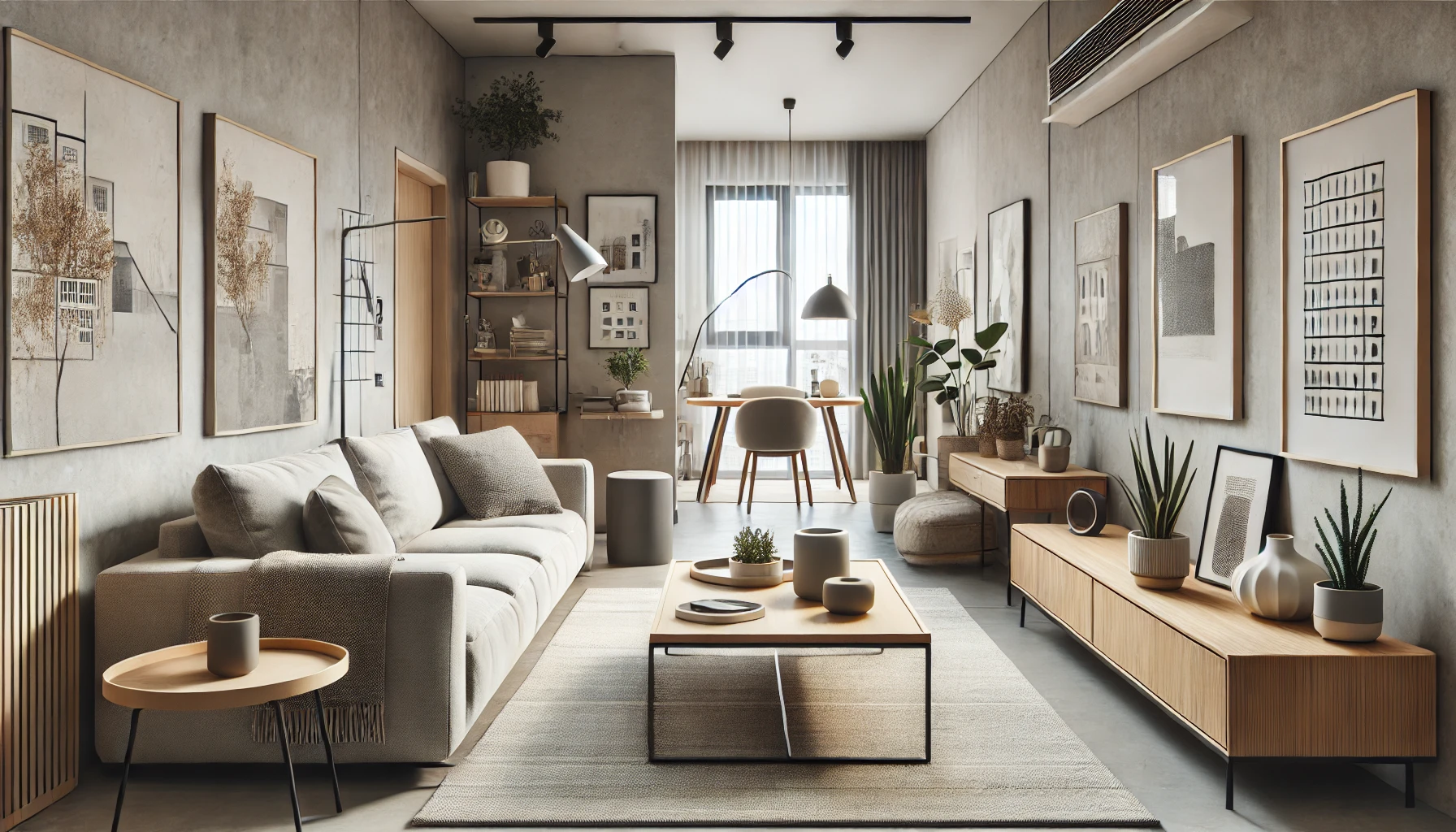
One of the biggest myths in interior design is that great rooms require big budgets.
They don't.
They require good decisions.
In fact, limited budgets often produce better interiors because they force you to become intentional.
Instead of buying everything at once, you learn to prioritize.
Instead of chasing trends, you invest in pieces that genuinely improve the room.
The result often feels more personal and more timeless than homes filled with expensive impulse purchases.
If you're furnishing your first apartment or slowly upgrading your current home, these principles will help you spend your money where it matters most.
1. Buy Fewer, Better Pieces
When budgets are tight, it's tempting to buy everything immediately.
Resist that temptation.
An empty corner is almost always better than a cheap piece of furniture you'll want to replace a year later.
Start with the essentials.
A comfortable sofa.
A quality bed.
A dining table you'll actually use.
Everything else can come later.
Building a home gradually almost always produces better results than trying to finish it in a single weekend.
Designer Eyes
Ask yourself:
"Would I rather own five average pieces today, or three excellent pieces that I'll still enjoy ten years from now?"
The answer usually points toward better long-term decisions.
2. Let Color Do the Heavy Lifting
Paint is one of the least expensive ways to transform a room.
A thoughtful color palette immediately makes inexpensive furniture feel more refined.
Warm taupes.
Deep greens.
Charcoal.
Soft whites.
Navy.
Rather than introducing many competing colors, repeat a small palette throughout the room.
When color feels cohesive, the room begins looking intentional regardless of budget.
3. Shop the Second-Hand Market
Some of the most interesting homes contain furniture with history.
Solid wood tables.
Vintage leather chairs.
Antique trunks.
Well-built bookshelves.
Estate sales, antique stores, Facebook Marketplace, and local consignment shops often offer pieces with far more character than similarly priced furniture purchased new.
Don't shop for perfection.
Shop for potential.
Quality construction matters far more than cosmetic imperfections.
4. Spend More Where You Touch the Room
Not every purchase deserves the same budget.
Prioritize the things you interact with every day.
A comfortable mattress.
Quality bedding.
A supportive office chair.
A durable sofa.
These purchases improve your everyday life far more than decorative accessories ever will.
Artwork can wait.
Comfort shouldn't.
Designer Eyes
Imagine living in your home for the next five years.
Which purchases will you appreciate every single day?
Those are the ones worth investing in first.
5. Create One Memorable Focal Point
Many inexpensive rooms feel unfinished because they're trying to make everything interesting.
Choose one defining feature instead.
An oversized piece of artwork.
A dramatic light fixture.
A vintage leather chair.
A beautiful bookshelf.
One memorable element gives the room confidence.
Everything else can quietly support it.
6. Improve Your Lighting
Lighting is one of the highest-impact upgrades you can make without renovating.
Rather than relying entirely on one ceiling fixture, introduce multiple light sources.
A floor lamp beside the sofa.
A table lamp on a console.
A reading lamp near a chair.
Layered lighting makes inexpensive rooms feel dramatically more sophisticated because it creates atmosphere instead of simply providing brightness.
7. Think Beyond Storage
Storage isn't just about hiding clutter.
It's about preserving calm.
Floating shelves.
Storage benches.
Coffee tables with concealed compartments.
Vintage trunks.
These pieces reduce visual noise while contributing to the overall character of the room.
Good storage isn't something you notice.
It's something you appreciate every day.
Designer Eyes
If every object in your apartment had a permanent home, how much calmer would the room feel?
Often, organization is a design upgrade disguised as a storage solution.
8. Let the Room Grow With You
One of the advantages of designing on a budget is that you don't have to finish everything immediately.
Your tastes will evolve.
Your career will grow.
Your home will change with you.
Allow that process to happen naturally.
The most memorable homes rarely appear overnight.
They're built over years through thoughtful decisions, meaningful collections, and carefully chosen furniture.
That's part of what gives them character.
Good Design Is Never About Spending the Most
People often assume expensive homes are automatically beautiful.
They're not.
Some of the strongest interiors are built by people who understand where to spend, where to save, and when to wait.
Design isn't about filling a room as quickly as possible.
It's about creating a home that feels increasingly more like you every time you improve it.
Patience often produces better interiors than unlimited budgets ever could.
Continue Building Your Eye for Design
Creating a remarkable home isn't about buying expensive furniture. It's about understanding how color, layout, lighting, materials, and furniture work together so every purchase contributes to a larger vision.
The Masculine Interior Style Guide teaches the ten timeless masculine interior styles we believe every man should understand, complete with exact paint colors, material palettes, furniture direction, styling guidance, and the principles that define each style. It also includes a 30-minute video walkthrough to help you confidently apply those ideas in your own home.
Whether you're furnishing your first apartment or gradually refining your forever home, the guide will help you make thoughtful design decisions with confidence and create spaces that feel cohesive, timeless, and unmistakably yours.
Explore The Masculine Interior Style Guide →

Facebook
Instagram
Youtube