Apartment Decorating Ideas for Men That Feel Personal
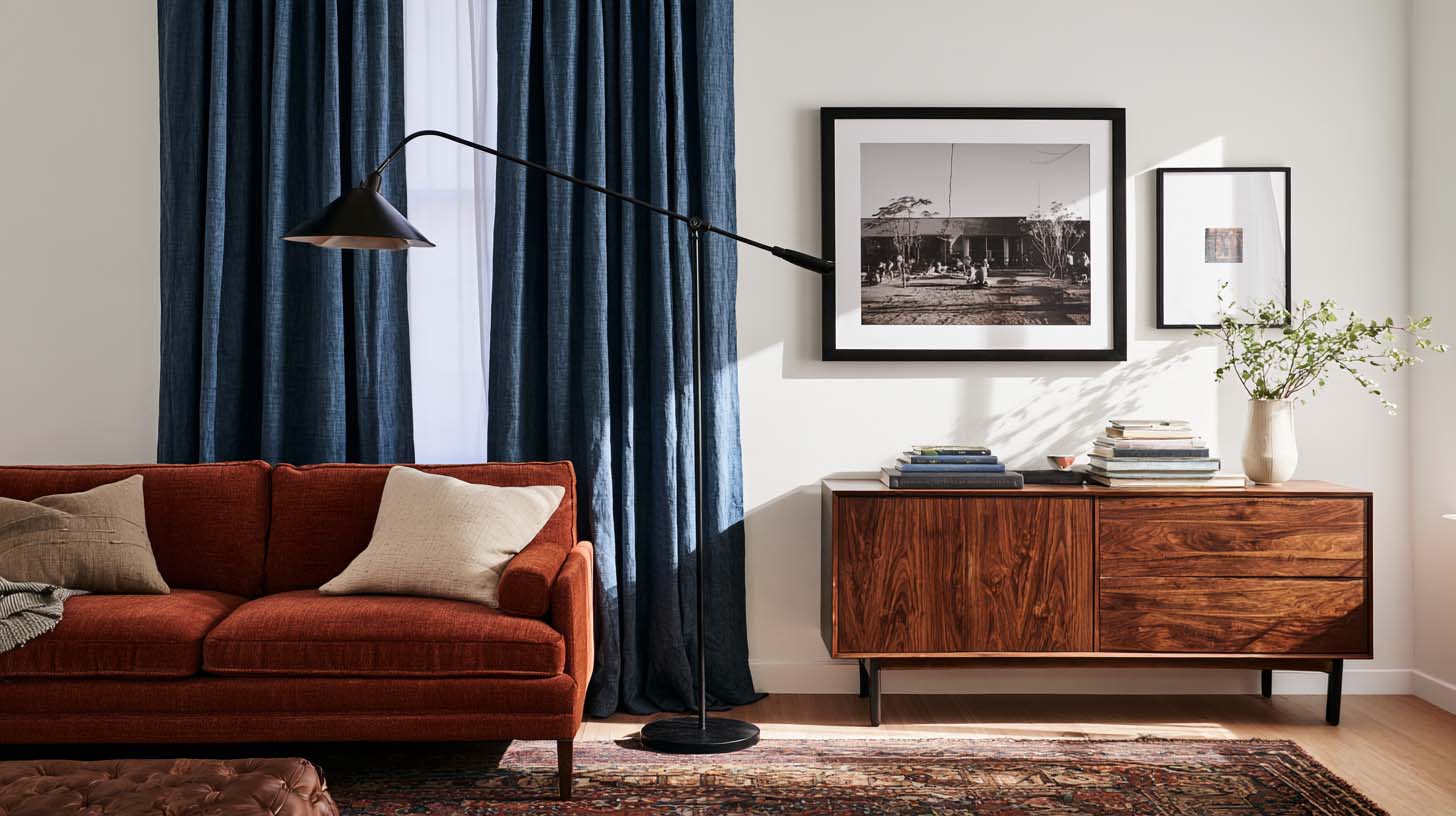
Renting creates a strange psychological problem. It is easy to treat the apartment as though it does not quite belong to you. You know you may leave. You do not control the flooring. The walls may be white. The kitchen may be generic. The lighting may be basic.
So the room remains halfway finished because spending money on a place you do not own feels wasteful. That logic is understandable. It is also how people spend five years living in a home that still feels temporary.
Good apartment decorating ideas for men begin with a distinction: Do not invest heavily in the landlord's property. Invest in the parts of the home that can leave with you. Furniture. Rugs. Lamps. Art. Curtains. Books. Objects. Portable storage. These are not improvements to someone else's apartment.
They are pieces of your own home that happen to be living there right now. If you are not sure which of those pieces your apartment needs first, TMH's Full-Service Interior Design can plan the order with you.
A Rental Still Deserves to Feel Finished
Ownership and belonging are not the same thing. You may not own the walls. You still live inside them. You wake up there. Invite people there. Work there. Eat there. Recover there. The home affects daily life regardless of whose name is on the deed.
A rental therefore deserves the same basic standards as any other home. A proper bed. Comfortable seating. Good light. Artwork. Storage. A rug. Finished windows where practical. The difference is simply that more of the investment should remain portable.
Spend on What Can Move With You
This is the central strategy. A better sofa moves. A good chair moves. Artwork moves. A rug moves. Lamps move. Curtains can often move. Bookshelves may move. A dining table moves. A beautiful desk moves. These are often better places to spend than permanent built-ins, expensive tile, custom stone, major electrical work, replacing the landlord's cabinetry, or highly specific architectural modifications. The rental should feel complete without becoming a renovation project.
Do Not Buy Disposable Furniture Just Because You Rent
Temporary housing often produces temporary furniture. Cheap desk. Cheap sofa. Cheap bed. Cheap dresser. Then the lease ends and everything is replaced. This can become expensive in its own way. If you already know that a dining table, chair, lamp, or rug will remain useful in your next home, buy something you actually want to keep.
The key is portability and flexibility. A 12-foot custom sectional designed around one apartment wall may be difficult to reuse. A well-proportioned 84-inch sofa is much easier. Furniture should have enough adaptability to survive the next floor plan.
White Walls Are Not Automatically a Problem
Renters often describe white walls as something they need to overcome. Sometimes they are useful. White can provide a clean background for walnut furniture, black frames, olive upholstery, rust rugs, deep-blue curtains, artwork, books, ceramics, and leather.
The room can feel masculine without darkening the walls. This is especially useful in smaller apartments where natural light matters. If you are allowed to paint and are willing to repaint before leaving, color can still be worthwhile. But do not assume a sophisticated room requires altering the walls.
If You Paint, Treat It Like a Real Project
Before painting, check the lease, get any required permission, understand repainting obligations, keep the original paint information if available, and ventilate properly.
The EPA notes that paints and finishes can release volatile organic compounds and recommends increasing ventilation while using products that emit VOCs and following product-label precautions carefully. (US EPA) In older rentals, additional caution is warranted. Federal law requires disclosure of known lead-based paint information for most housing built before 1978, and disturbing old painted surfaces can create lead hazards. (US EPA) This is one area where "rental-friendly DIY" should not become casual demolition.
Rugs Can Change Builder Flooring Completely
The flooring may be gray carpet, basic LVT, orange-toned wood, or generic laminate. You may not be able to replace it. You can change how much of it you see. A large rug gives the furniture a new visual foundation. Persian. Turkish. Wool. Natural fiber. Muted geometric. A good rug can make a room feel dramatically less builder-issued because it inserts color, texture, and personality over the permanent surface.
Curtains Are One of the Best Rental Upgrades
Apartments often come with blinds. Blinds solve privacy. They do not necessarily finish the room. Curtains can add height, softness, color, pattern, light control, and a more residential feeling. If drilling is allowed, install proper hardware.
If not, evaluate legitimate non-damaging solutions appropriate to the window and lease rather than relying on improvised hardware that cannot support the weight. The point is not to turn the apartment into a permanent construction project. It is to make the windows feel considered.
Lighting Is the Fastest Way to Escape the Rental Look
Builder ceiling fixtures tend to light the room adequately. They rarely create atmosphere. Add table lamps, floor lamps, plug-in sconces where appropriate, picture lights, and desk lamps. Suddenly the apartment has light at several levels.
This can transform white walls because warm pools of light reveal art, wood grain, leather, and textiles more effectively than relying on one ceiling source. Lighting is also one of the best rental investments because almost every lamp can move with you.
Designer Eyes: Turn Off the Ceiling Light
Spend one evening with the overhead fixture switched off and only lamps on. Wherever the room falls into darkness, that is where the next lamp belongs. Most apartments need light at several heights before they start to feel finished: on a side table, beside a reading chair, and on the walls.
Use Plug-In Lighting Intelligently
Plug-in sconces can be useful for bedrooms, reading corners, living rooms, and home offices. They add wall-level lighting without major electrical work. Keep cords controlled. Do not let a "renter-friendly" solution look temporary through exposed tangled wiring. The object still needs to appear intentional.
Art Gives White Walls Identity
A rental becomes yours quickly when the walls begin reflecting your interests. Photography. Paintings. Prints. Maps. Textiles. Framed posters. Drawings. Do not leave everything leaning on the floor indefinitely because you may move one day.
Use appropriate hanging methods for the wall type and lease. Repair holes when required. The risk of making a few properly planned holes is often much smaller than spending years surrounded by blank walls.
Large Art Can Be Easier Than Many Small Pieces
One substantial framed work can define an apartment living room. It creates fewer holes. Fewer visual edges. Less clutter. And it often makes modest furniture feel more intentional. A gallery wall can also work if you genuinely own a collection. Just do not create one solely to fill space.
Furniture Scale Still Matters
A small apartment does not require small everything. It requires fewer things at the correct scale. A proper sofa. One chair. A rug large enough to connect them. One substantial media cabinet. A table that serves a real purpose. Several undersized furniture pieces can make a room feel more crowded because the eye has to process more separate objects.
Multifunctional Furniture Is Useful When It Does Not Look Like a Gadget
Storage ottoman. Dining table that doubles as work surface. Desk with drawers. Bench with storage. Media console with closed cabinets. These make sense. The danger is filling the apartment with clever transformer furniture that sacrifices appearance or comfort to perform five mediocre functions. Choose multiple-purpose pieces when the functions are genuinely useful.
Closed Storage Matters More in an Apartment
A smaller home leaves less distance between you and your belongings. That makes visual clutter more noticeable. Use closed storage for paperwork, electronics, cables, cleaning supplies, gym equipment, children's items, and spare bedding. The apartment can still display books and collections. It simply does not need to display everything.
Do Not Build the Room Around the Television Automatically
Apartments often have one obvious wall. That becomes the TV wall. Then the entire living room follows. Ask whether the television truly needs to dominate. Perhaps it belongs on a lower cabinet with art nearby. Perhaps dark cabinetry helps it recede.
Perhaps the sofa can orient toward both television and conversation. The apartment will feel more like a home if the screen is one part of the room rather than the organizing principle for everything.
Use Bookshelves Vertically
Small apartments benefit from height. A tall bookcase may occupy almost the same floor area as a low console while providing considerably more storage. Use it for books, art, ceramics, boxes, and closed baskets where appropriate. A tall shelving unit also makes the room feel more developed architecturally. Just avoid filling every inch with random accessories.
Apartment Decor for Men Should Be Personal, Not "Masculine"
This is one of the easiest traps. Black metal shelf. Whiskey sign. Industrial lamp. Automotive poster. Brown leather sofa. The apartment begins looking like a category page. Instead, use books you actually own, art you chose, travel objects, photography, ceramics, old furniture, records, and collections. These objects can create masculinity indirectly because they belong to the man living there.
The Dining Area Matters Even in a Small Rental
A dining table is often sacrificed first. Perhaps the apartment has a breakfast bar. Perhaps space is limited. But a table creates a place to eat properly, a surface for work, conversation, a place for guests, games, and meals. If space allows, even a smaller round table can change how the apartment functions. It makes the home more capable.
Finish the Bedroom
Do not let the bedroom become the room guests never see and therefore the room that never gets finished. A proper bed. Nightstands. Lamps. Curtains. Artwork. Storage. This is a personal standard. Not a performance for visitors.
Make the Entry Work
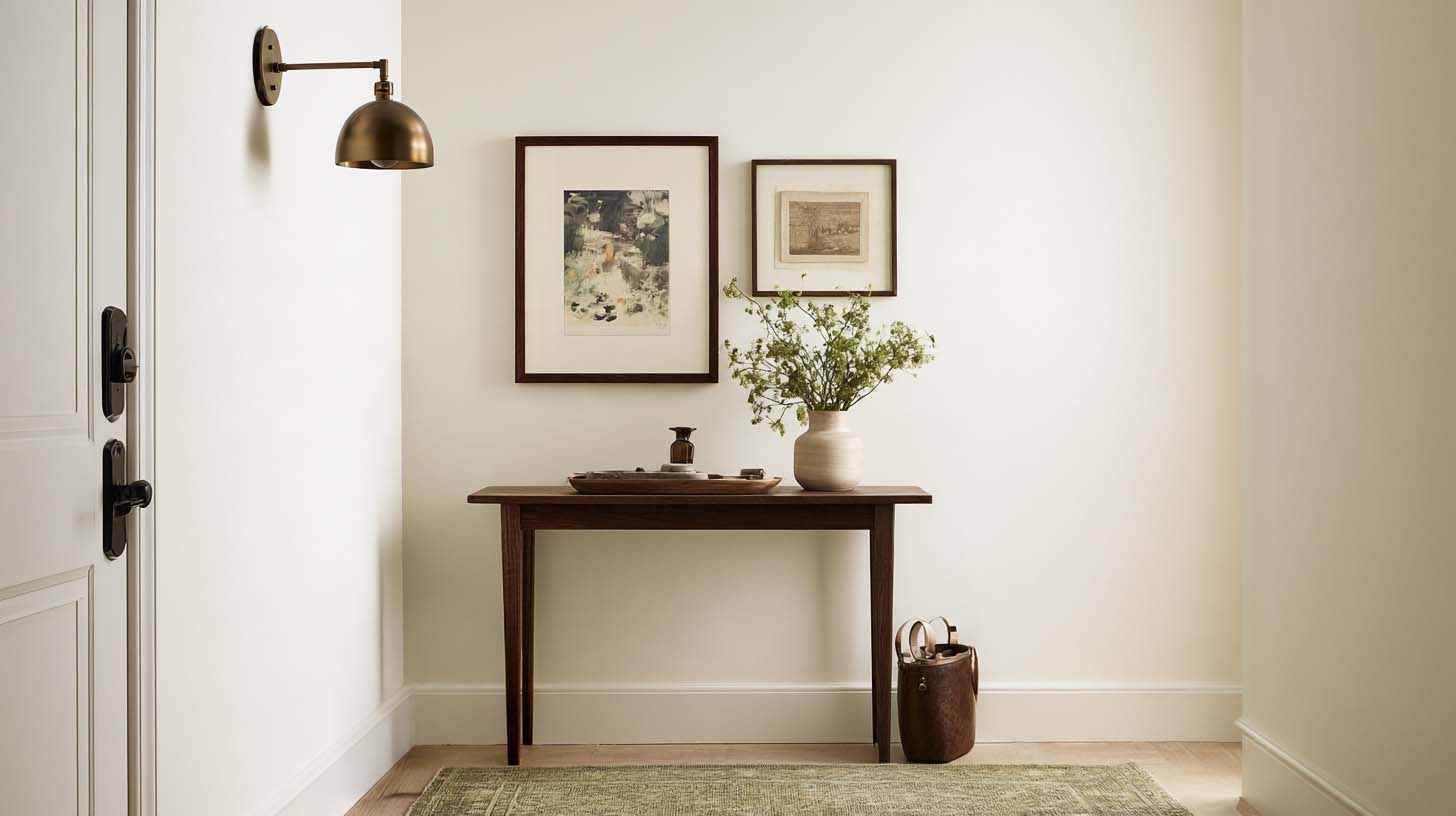
Apartments often have limited entry space. That makes organization more important. Keys. Mail. Shoes. Bag. Coat. Umbrella. Give these things a place. A narrow console. Wall hooks if permitted. Tray. Small cabinet. Runner. The first ten feet of the apartment should not become a storage spillover zone.
Avoid Renovating Around a Bad Floor Plan
Some rental problems cannot be decorated away. Awkward kitchen. Poorly located doors. Bad bathroom layout. Limited storage. Accept what the apartment is. Do not spend heavily trying to make permanent architectural limitations disappear. Use furniture to improve what you can. Save major structural ambition for a property where you have the control and financial reason to pursue it.
Keep Major Purchases Flexible
A good rental sofa should not fit only one wall. A dining table that can extend may work in several future homes. A desk that looks good from all sides may float later. Neutral but interesting rugs can migrate between rooms. Modular shelving may adapt to new dimensions.
Portability does not mean generic. It means avoiding pieces so specific that the next move renders them useless.
Watch Indoor Air During Cosmetic Projects
Apartments share walls, systems, and sometimes ventilation conditions with neighboring units. EPA guidance notes that apartments can face many of the same indoor-air issues as detached homes, including pollutants from furnishings, products, and maintenance activity, and recommends source control and ventilation where appropriate. (US EPA)
Paint, adhesives, and refinishing products deserve particular care. A rental-friendly project should not compromise the space you are living in.
The TMH Perspective
Renting should change where you invest, not whether you care. Spend less on the landlord's architecture. Spend more thoughtfully on things that remain yours. A good rug. Real art. Proper lighting. A sofa worth keeping. A table that survives the move. Books. Objects with meaning. The apartment may not be permanent. Your standards can be.
That is the difference between occupying a rental and making one a home. The EPA's current guidance on volatile organic compounds recommends increasing ventilation when using paints and other products that emit VOCs and following manufacturer precautions. (US EPA) For older rentals, EPA also explains the federal disclosure requirements around known lead-based paint hazards in most pre-1978 housing and the additional risks created when old painted surfaces are disturbed. (US EPA)
If your rental feels generic but you do not want to waste money renovating someone else's property, TMH's Full-Service Interior Design can plan the portable changes that will make the biggest difference: furniture, rugs, art, lighting, curtains, storage, and layout.
Frequently Asked Questions
Is it worth decorating an apartment if I rent?
Yes, especially when money goes toward portable furniture, rugs, art, lighting, curtains, and objects you can take with you.
How can I make white rental walls feel less generic?
Use large artwork, curtains, substantial furniture, warm wood, rugs, books, and layered lighting. White walls can function as useful visual relief.
What should I avoid buying for a rental?
Be cautious about highly site-specific furniture, major permanent renovations, oversized custom pieces, and upgrades that improve the landlord's property more than your own long-term home.
Can I paint a rental apartment?
Possibly, but check the lease and permission requirements first. If you paint, follow ventilation and safety guidance, especially in older housing.


Facebook
Instagram
Youtube