Why Masculine Rooms Often Feel Cold (And How to Fix It Without Making Them Soft)
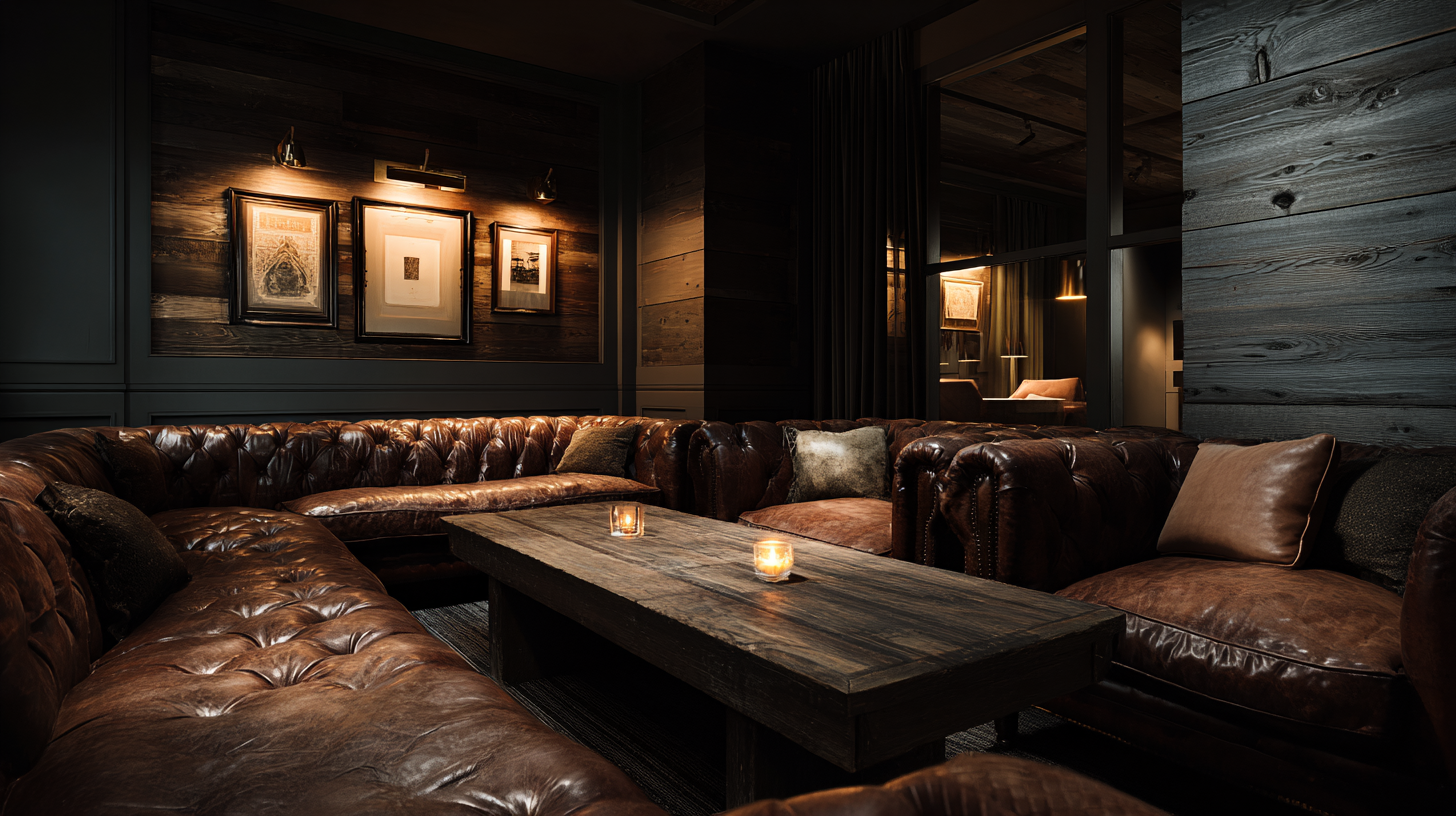
One of the biggest misconceptions in masculine interior design is that strength and warmth exist on opposite ends of the spectrum.
They don't.
In fact, the most memorable masculine interiors feel both grounded and welcoming. They have presence without intimidation. Structure without stiffness.
Yet many rooms miss that balance.
The furniture is substantial.
The palette is dark.
The styling is restrained.
Everything appears correct, but the room still feels distant.
Not because it's masculine.
Because it's incomplete.
Warmth Doesn't Come From Softer Colors
When a room feels cold, most people assume the solution is to brighten the walls or introduce lighter colors.
That rarely addresses the real problem.
Warmth isn't created by color alone.
It's created by contrast.
A room becomes inviting when different materials respond to light differently, when surfaces carry different textures, and when visual weight is balanced instead of repeated.
Dark walls aren't the issue.
Uniformity is.
Texture Gives a Room Life
Many masculine interiors rely heavily on leather, stone, metal, and painted drywall.
Individually, these materials are beautiful.
Together, without interruption, they can begin to feel rigid.
The solution isn't to introduce decorative softness.
It's to introduce material variety.
Linen curtains.
A wool rug.
Natural wood grain.
A textured ceramic lamp.
These materials absorb and reflect light differently, creating subtle variation that makes the room feel more relaxed without sacrificing its masculine character.
Designer Eyes
Walk through your room and touch five different surfaces.
If every one of them feels hard, smooth, or cold, the room probably needs more tactile contrast rather than more decoration.
Lighting Creates Emotional Warmth
Many rooms technically have enough light.
They're simply using it poorly.
A single overhead fixture floods every surface equally, removing shadow and flattening depth.
Masculine interiors become far more inviting when light is layered.
A table lamp beside a reading chair.
Accent lighting washing across textured walls.
A floor lamp defining one corner instead of illuminating the entire room.
Warmth comes from creating places for light to gather, not from making every corner equally bright.
Furniture Should Encourage Conversation
Cold rooms often have nothing to do with materials.
Sometimes the furniture simply sits too far apart.
A sofa pushed against one wall.
Chairs isolated from one another.
Coffee tables floating in oversized gaps.
The room begins to feel like a waiting area instead of a place people naturally occupy.
Tightening furniture groupings creates psychological warmth long before anyone notices the furniture itself.
Designer Eyes
Imagine inviting a close friend into the room.
Would the furniture naturally encourage conversation, or would everyone instinctively pull their chairs closer together?
Your answer tells you whether the layout is supporting the experience you want to create.
Let the Room Feel Lived In
Masculine interiors don't need clutter to feel personal.
But they do need signs of life.
A stack of well-used books.
A favorite lounge chair with a throw casually folded across the arm.
A record player.
Fresh greenery.
Objects with purpose remind us the room belongs to someone.
That's very different from decorating for decoration's sake.
Strength and Warmth Can Exist Together
Some of the finest masculine interiors in the world are also among the most comfortable.
Historic libraries.
Private clubs.
Tailor shops.
Well-designed studies.
They don't achieve warmth by abandoning structure.
They achieve it by balancing it.
Strong architecture.
Rich materials.
Layered lighting.
Thoughtful texture.
Spaces that feel confident enough to welcome people in.
That's the goal.
A masculine room shouldn't feel cold.
It should feel composed.
Continue Building Your Eye for Design
The most inviting masculine interiors aren't softer. They're simply more balanced. Understanding how lighting, materials, texture, color, furniture, and proportion work together allows you to create rooms that feel both confident and welcoming without compromising their character.
The Masculine Interior Style Guide teaches the ten timeless masculine interior styles we believe every man should understand, complete with exact paint colors, material palettes, furniture direction, styling guidance, and the principles that define each style. It also includes a 30-minute video walkthrough to help you confidently choose the style that best fits your home and bring it to life.
Whether you're refining a single room or designing an entire home, the guide will help you make thoughtful design decisions with confidence and create spaces that feel sophisticated, cohesive, and built to last.

Facebook
Instagram
Youtube