Masculine Design for Men Who Work From Home (Without Turning the House Into an Office)
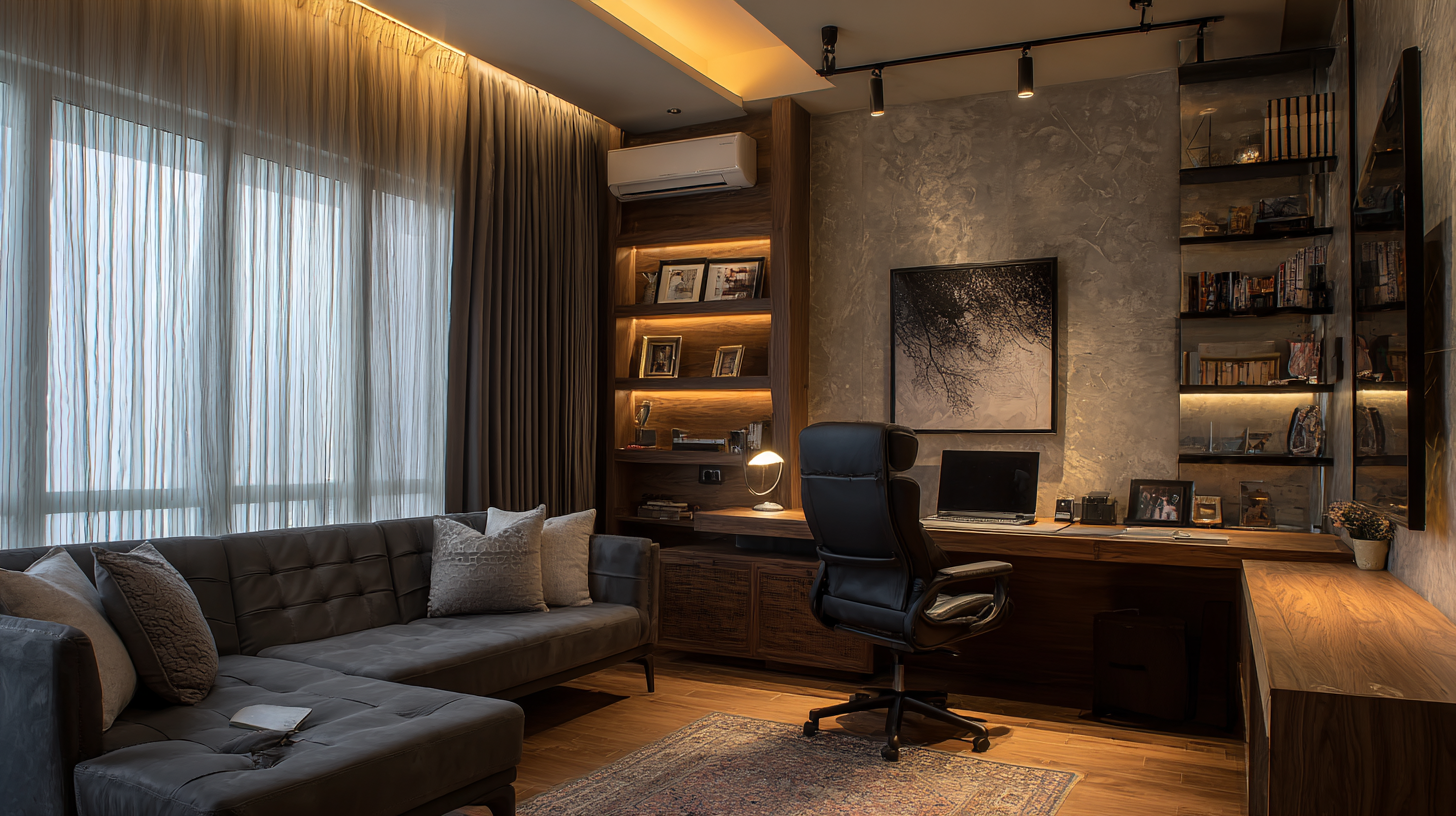
Working from home presents a design challenge that most people don't recognize.
It isn't productivity.
It's identity.
When the dining table becomes a desk...
The bedroom becomes a conference room...
The living room becomes a temporary office...
Every space slowly loses the purpose it was designed to serve.
Over time, the house begins feeling like work, even after the workday ends.
The best home offices aren't simply productive.
They preserve the identity of the rest of the home.
Every Room Should Know Its Purpose
One of the defining characteristics of well-designed homes is clarity.
A bedroom encourages rest.
A dining room encourages conversation.
A library encourages reading.
A study encourages focus.
When one room tries to perform every function, it rarely performs any of them particularly well.
If you don't have a dedicated office, create visual boundaries that clearly define where work begins and where it ends.
Designer Eyes
Stand in the doorway of your workspace.
Could someone immediately tell what the room is meant to do?
If not, the space may be trying to serve too many purposes.
Give the Workspace Visual Weight
Temporary furniture creates temporary feeling.
A folding table.
A lightweight desk.
An office chair that looks borrowed from a conference room.
These choices subtly communicate that work is interrupting the room rather than belonging within it.
Choose furniture that feels architectural.
A solid wood desk.
A comfortable chair.
Bookshelves.
Storage that integrates naturally with the room.
The office should feel designed, not improvised.
Use Lighting to Separate Work From Home
Lighting has the power to signal transition.
Bright, focused task lighting supports concentration during working hours.
Warm ambient lighting transforms the room once the workday ends.
Rather than relying on one overhead fixture, layer different sources of light.
A desk lamp.
Wall sconces.
A floor lamp.
Accent lighting.
The atmosphere should evolve throughout the day.
Designer Eyes
At the end of the workday, turn off your desk lamp first.
Leave only the ambient lighting.
Notice how quickly the room begins feeling residential again.
That's intentional lighting doing its job.
Hide the Evidence of Work
Nothing prevents a room from relaxing faster than visible clutter.
Cables.
Chargers.
Printers.
Paperwork.
Headphones.
External monitors.
The more equipment remains on display, the more difficult it becomes for your mind to leave work behind.
Thoughtful storage solves more than organization.
It preserves atmosphere.
Drawers.
Cabinets.
Credenzas.
Built-in shelving.
Everything should have a permanent place once the workday ends.
Make the Room Worth Spending Time In After Hours
One of the biggest mistakes people make is designing an office that only functions between nine and five.
When work ends, the room becomes empty.
Instead, create a space that serves another purpose.
Add a comfortable reading chair.
Display meaningful books.
Include artwork you genuinely enjoy.
Introduce layered lighting.
Perhaps even a small record player or coffee station.
The goal is allowing the room to transition naturally from productive to personal.
Designer Eyes
Ask yourself:
"Would I voluntarily spend an hour in this room after work?"
If the answer is no, the room probably feels too much like an office and not enough like part of your home.
Materials Shape Your Mindset
The materials surrounding you influence how a workspace feels.
Solid wood introduces warmth.
Leather develops character.
Natural stone creates permanence.
Wool softens harder surfaces.
These materials encourage focus without making the room feel sterile.
Contrast that with plastic furniture, laminate desks, and fluorescent lighting.
Both support work.
Only one supports the experience of living well.
A Home Office Should Support the Home
The best workspaces don't dominate the house.
They quietly support it.
They allow you to focus deeply when you're working.
Then disappear into the background when you're not.
That's the difference between a room that happens to contain a desk...
...and a home that's been thoughtfully designed for the life you actually live.
Continue Building Your Eye for Design
A great home office isn't created by choosing the right desk. It's created by understanding how layout, furniture, lighting, materials, and architecture work together to shape the way a room feels throughout the day.
The Masculine Interior Style Guide teaches the ten timeless masculine interior styles we believe every man should understand, complete with exact paint colors, material palettes, furniture direction, styling guidance, and the principles that define each style. It also includes a 30-minute video walkthrough to help you confidently choose the style that best fits your home and bring it to life.
Whether you're designing a dedicated office, a library, or an entire home, the guide will help you make thoughtful design decisions with confidence and create spaces that feel cohesive, timeless, and unmistakably yours.
Explore The Masculine Interior Style Guide →

Facebook
Instagram
Youtube