Masculine Bedding: How to Make a Bed Look Refined
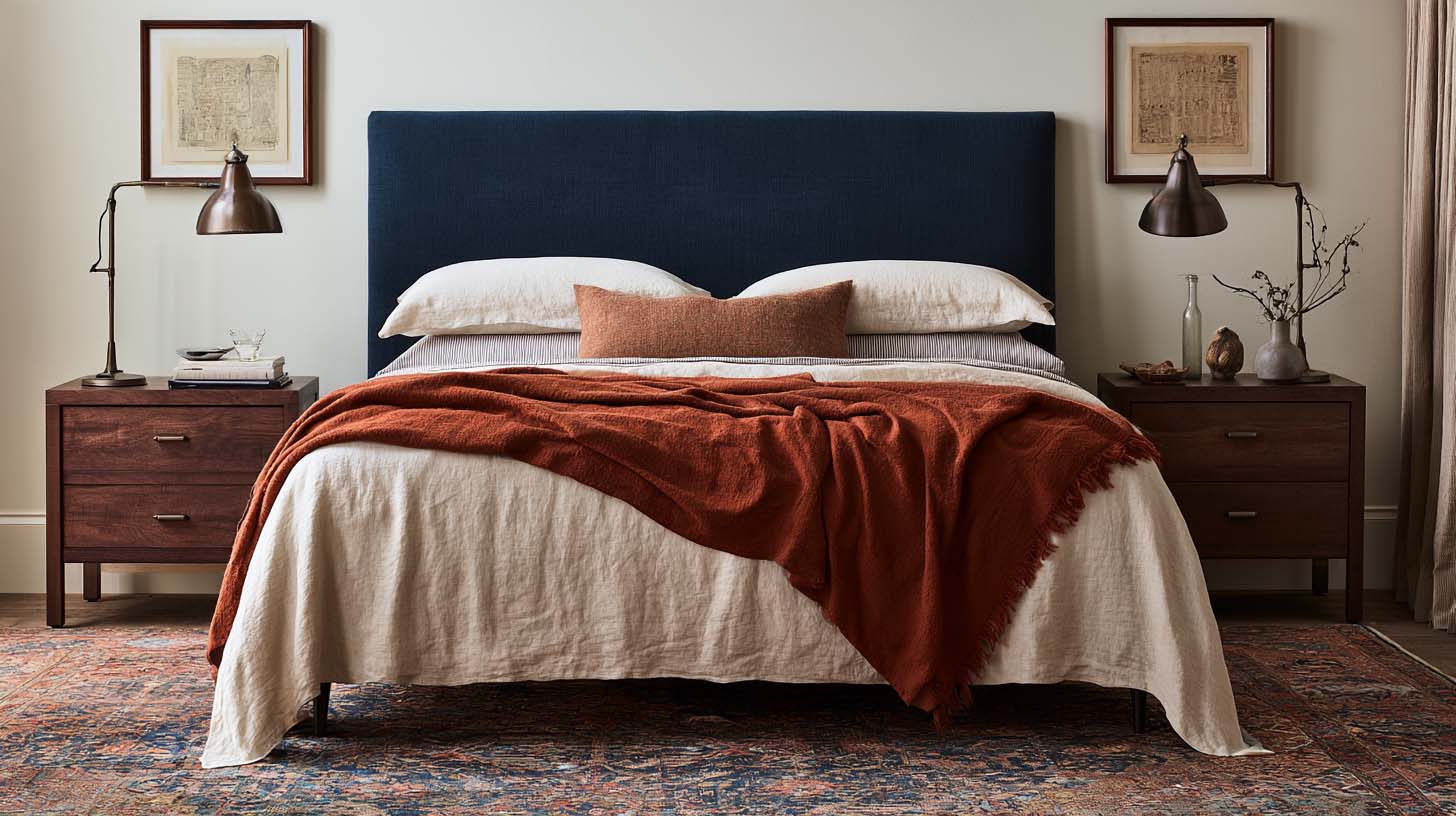
There is a strange gap between the unmade bed and the professionally styled bed.
On one side: mattress, sheet, two pillows, comforter.
On the other: six sleeping pillows, three Euro shams, two decorative pillows, a lumbar pillow, folded quilt, throw blanket, and a duvet rolled with surgical precision at the foot.
The first can look unfinished. The second can make getting into bed feel like dismantling a display.
Good masculine bedding sits somewhere between the two.
It should look considered, comfortable, and adult without becoming so styled that the bed no longer appears usable.
That means understanding the purpose of each layer rather than simply adding more. If you want an outside opinion on which side of that gap your own bed sits, a Room Audit is a fast way to get one.
Start With the Bedding You Actually Sleep In
The best-looking bed is still a bed.
Sheets. Pillows. Blanket or duvet. Those are the core components.
Everything else should either improve comfort, temperature, texture, or the appearance of the bed enough to justify its existence.
This is an important standard because bedding is especially vulnerable to decorative excess.
If an item is thrown on the floor every night and reconstructed every morning solely for appearance, ask whether it deserves a permanent role.
Some styling is worthwhile. Ritual can be pleasant. But the bed should not require a five-minute teardown.
Masculine Bedding Ideas Begin With Material
Color gets most of the attention. Material matters more than many men expect.
Cotton. Linen. Wool. Down. Synthetic fill. Velvet. Quilted textiles.
Each changes how the bed feels and looks.
A crisp cotton percale sheet creates a different atmosphere from washed linen. A wool blanket has visual substance. A quilt introduces stitched pattern. A velvet coverlet adds depth and sheen.
The bed becomes richer when several materials coexist without becoming overly decorated.
Cotton Is the Familiar Foundation
Cotton bedding can range from crisp and cool-looking to smooth and polished depending on yarn, weave, finishing, and construction.
Percale typically produces a more matte, crisp surface. Sateen tends to feel smoother and appear more lustrous.
Neither is automatically better. The question is preference.
For masculine bedrooms, cotton works well because it can remain extremely simple.
White. Cream. Stone. Blue. Striped.
A good sheet does not need to announce itself. It simply establishes a clean foundation.
Linen Makes the Bed Look Less Perfect, and Often Better
Linen brings visible irregularity. The surface wrinkles. The weave remains apparent. Edges relax.
That makes it particularly useful in masculine bedrooms that might otherwise feel excessively tailored.
A walnut bed with perfectly smooth gray bedding can look severe. Put washed warm-ivory linen on the same bed and the room immediately becomes softer.
Linen also layers naturally with wool, quilts, and upholstered headboards because its matte texture contrasts well with denser materials.
The goal is not to eliminate every wrinkle. The relaxed surface is part of what you are choosing.
Wool Belongs on More Beds
Wool blankets and throws can give the bed considerable visual weight without requiring another decorative pillow.
Herringbone. Plaid. Solid olive. Charcoal. Tobacco. Cream.
A single wool layer folded across the lower third of the bed can introduce both color and texture.
Wool's moisture and thermal-buffering properties also explain its long use in bedding, with testing showing strong thermal insulation and moisture-management performance in wool-filled duvets compared with several alternative fillings.
That does not mean every sleeper should choose a wool duvet. Preference, climate, allergies, care requirements, and bedroom temperature all matter.
But wool deserves to be considered as a functional bedding material, not merely a decorative throw.
A Duvet Creates the Main Volume
The duvet is often the largest visual element on the finished bed. Its color therefore matters enormously.
Warm ivory. Stone. Deep blue. Olive. Charcoal. Taupe. Muted brown.
These can all work.
The safest choice is often a quieter duvet that allows the headboard, rug, and surrounding room to provide stronger color.
If the bedroom itself is restrained, however, the duvet can become the place to introduce deeper color.
The key is deciding where you want visual emphasis.
A Coverlet Can Make the Bed Look More Finished
A coverlet is one of the easiest ways to refine a bed without adding decorative clutter.
Placed over the full bed beneath a folded duvet, it creates a clean base. Used alone in warmer seasons, it keeps the bed visually composed.
Quilted coverlets can introduce subtle stitched pattern. Matelassé and woven versions add texture without requiring obvious graphics.
This is particularly useful in traditional or transitional bedrooms where a completely bare duvet can feel slightly unfinished.
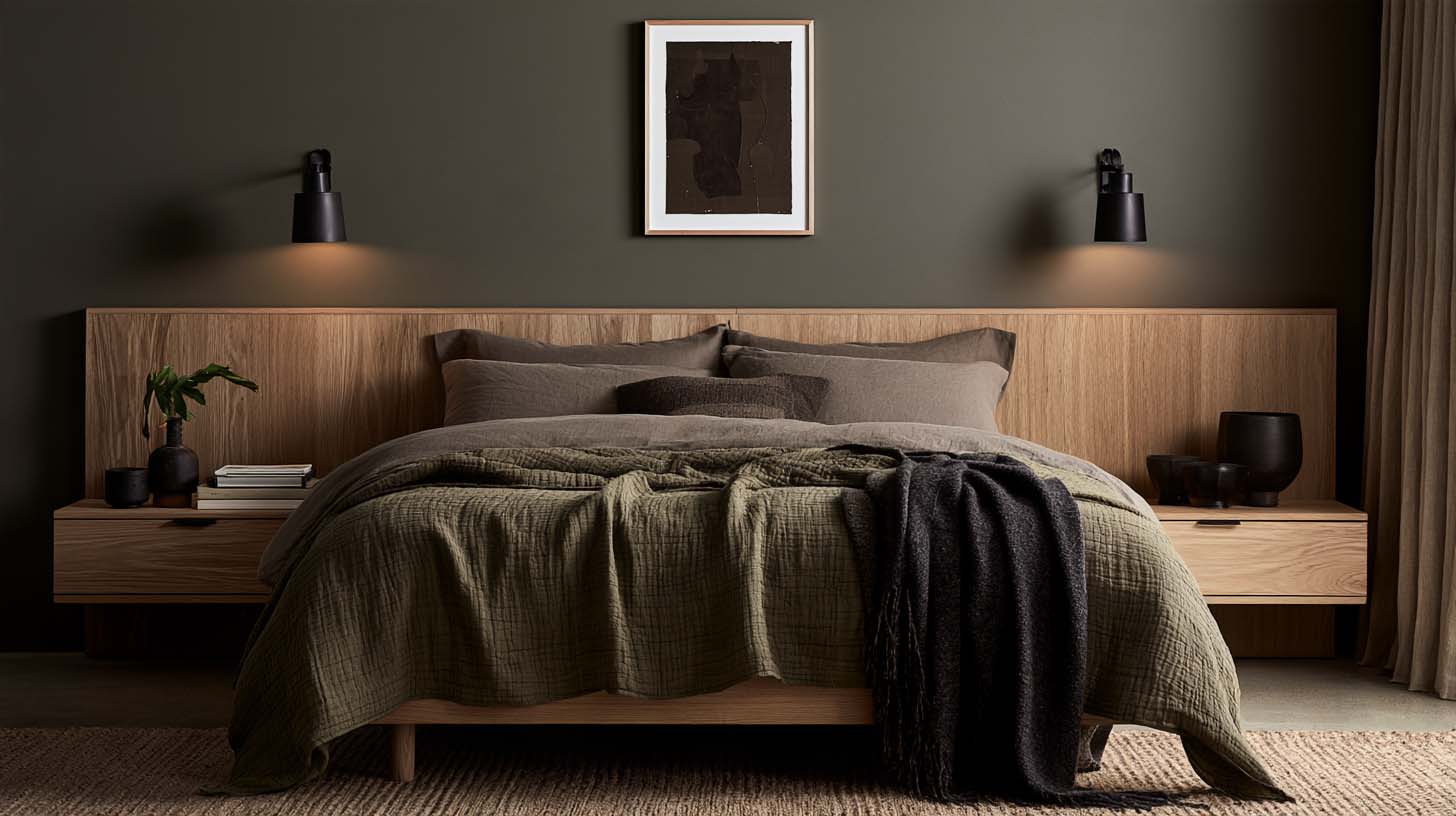
Quilts Bring Pattern Without Piling On Pillows
A quilt is one of the best masculine bedding tools because it adds texture, pattern, color, history, and visual layering. And it remains functional.
Plaid. Small geometric. Patchwork. Solid stitched cotton. Muted traditional patterns.
A quilt folded at the foot of the bed can create far more interest than three decorative pillows. That is often the better trade.
You Probably Need Fewer Pillows
A masculine bed does not need twelve pillows.
Start with what you sleep on. Then decide whether one additional layer improves the bed enough to justify itself.
A common restrained arrangement might include two or four sleeping pillows depending on bed size and preference, two Euro pillows on a larger bed if additional height is genuinely useful, and one lumbar or accent pillow.
That can be enough. Perhaps even too much for some rooms.
The objective is to create a bed that looks intentional, not upholstered from headboard to foot.
Designer Eyes: Remove One Entire Pillow Layer
When the bed feels over-styled, do not simply rearrange the pillows. Remove one whole category. All the decorative squares. Or the Euros. Or the small accent pillows. Then look again. The bed often becomes stronger because the headboard and actual bedding are visible.
Let the Headboard Do Some of the Work
If the headboard is already upholstered in textured wool, velvet, or linen, you may need less decorative bedding.
The headboard is one of the textile layers. This is frequently overlooked.
A deeply colored mohair headboard plus patterned pillows plus a wool throw plus quilt plus duvet can become visually dense.
Count the headboard when evaluating the textile composition.
White Bedding Is Not Boring
White and warm ivory bedding remain useful because the surrounding room can provide the identity.
Forest-green walls. Walnut bed. Oxblood chair. Bronze lights. Persian rug.
Now white bedding creates relief.
Trying to make every bed look masculine through dark sheets and charcoal duvets can produce unnecessary heaviness.
A masculine bedroom can contain an extremely light bed when the architecture and furniture already provide weight.
Charcoal Works Better as an Accent Than a Default
Charcoal bedding is familiar because it feels safe. It can work well.
But charcoal walls plus charcoal bed plus black frame plus dark wood plus gray rug can quickly erase depth.
If you use charcoal bedding, give it contrast.
Cream sheets. Camel throw. Walnut bed. Rust pillow. Warm ivory walls.
The color is strongest when it has something lighter beside it.
Olive and Deep Blue Are Excellent Bedding Colors
Olive is especially useful because it works with brown, cream, brass, black, rust, and wood.
Deep blue does something similar while cooling warmer materials.
Both feel distinctly masculine without relying on gray.
Use them as duvet covers, coverlets, blankets, pillow cases, or simply one secondary layer.
A full bed does not need to be one color.
Rust and Oxblood Work in Smaller Doses
Strong warm colors are excellent for beds when used carefully.
Rust wool throw. Oxblood lumbar pillow. Burgundy quilt. Tobacco blanket.
These colors bring warmth into rooms dominated by brown wood, dark green, navy, charcoal, or cream.
Because they are visually strong, they rarely need to occupy the entire duvet.
Pattern Should Usually Be Concentrated
Patterned duvet plus plaid pillows plus striped sheets plus patterned throw plus patterned headboard. That is rarely necessary.
Choose one or two obvious pattern locations. For example: striped sheets with a solid duvet, solid sheets with a plaid blanket, plain bedding with a patterned quilt, or a herringbone headboard with solid bedding.
The bed becomes easier to read.
Stripes Are One of the Easiest Bedding Patterns
Stripes can feel traditional, tailored, casual, or modern. The effect depends on scale and contrast.
Fine ticking stripe feels relaxed. Broad navy-and-cream stripe is much stronger. Low-contrast brown stripe can read almost like texture.
Stripes work particularly well on sheets and pillowcases because they introduce pattern without visually covering the entire bed.
Plaid Works Best as One Layer
Plaid has enough character to become the bed's main pattern.
A wool tartan blanket at the foot. Plaid duvet. One pair of patterned shams.
Usually, one is enough.
The danger is turning the bedroom into a Highland-themed set by repeating the same language across rugs, curtains, upholstery, and bedding.
Let the pattern be a note. Not a costume.
Texture Can Replace Pattern Entirely
A bed can contain no obvious printed pattern and still feel richly layered.
Linen sheets. Wool blanket. Quilted coverlet. Mohair pillow. Cotton duvet.
The surfaces create variation.
This is particularly useful in modern or luxury masculine bedrooms where too much visible pattern would conflict with the architecture.
The Bed Should Look Good Unmade
This may sound like a strange standard. But a bedroom is lived in.
Sheets crease. Duvets move. Pillows lean.
If the bed only looks attractive after perfect styling, the composition may be too dependent on arrangement.
Natural materials help here because they tolerate irregularity.
Linen is supposed to move. Wool can remain slightly imperfect. A quilt can fold casually.
The room retains character even when the bed is not ready for a photograph.
Bedding for Men Should Still Be Comfortable for Two People
A common mistake in bedding advice aimed at men is treating the bed as purely personal styling.
If two people sleep there, both preferences matter.
Temperature. Pillow type. Blanket weight. Sheet feel. Duvet arrangement.
Some couples even benefit from separate blankets or duvets depending on sleep preferences.
There is no aesthetic value in a bed that looks refined but makes one person uncomfortable.
Comfort is part of the design.
Change the Bedding Seasonally Instead of Re-Styling Everything
The room does not need a complete seasonal decorating program. Bedding naturally allows enough change.
Summer calls for lighter cotton, linen, and a simple coverlet.
Winter calls for heavier wool, a quilt, a warmer duvet, and deeper color.
This gives the bedroom seasonal variation without filling storage with decorative objects.
The TMH Perspective
A refined masculine bed should look like somewhere a grown man actually sleeps.
Not a showroom. Not a college bed. Not a hotel imitation.
In our design work, the biggest improvement often comes from editing rather than adding: better sheets, one proper duvet, a quilt or coverlet, one wool layer, fewer pillows, more material contrast.
Then stop.
Good bedding does not require complexity. It requires enough variation to make the bed feel complete.
If your bedroom feels either unfinished or over-styled and you cannot tell which layer is missing, TMH's Full-Service Interior Design can develop the bedding together with the color, materials, furniture, and pattern of the whole room, rather than solving the bed one pillow at a time.
Frequently Asked Questions
What bedding looks masculine?
Linen, cotton, wool, quilts, understated stripes, herringbone, plaid, and solid colors like olive, deep blue, tobacco, cream, charcoal, and rust can all work.
How many pillows should a masculine bed have?
There is no fixed number. Use the pillows you sleep on and add only enough additional pillows to improve the composition. One extra layer is often sufficient.
Is white bedding masculine?
Yes. White and warm ivory bedding work particularly well when darker furniture, wood, art, rugs, or wall color already provide visual weight.
Is linen or cotton better for men's bedding?
Neither is universally better. Cotton can feel crisper and more controlled, while linen offers a more relaxed texture and visible irregularity. Preference and care requirements matter.
Should a masculine bed use a duvet or comforter?
Either can work. A duvet offers flexibility through removable covers, while comforters may be simpler. Choose based on comfort, maintenance, and the look you prefer.

Facebook
Instagram
Youtube